Latest News

  • Trunk Main Leak Detection: Protecting Water Infrastructure

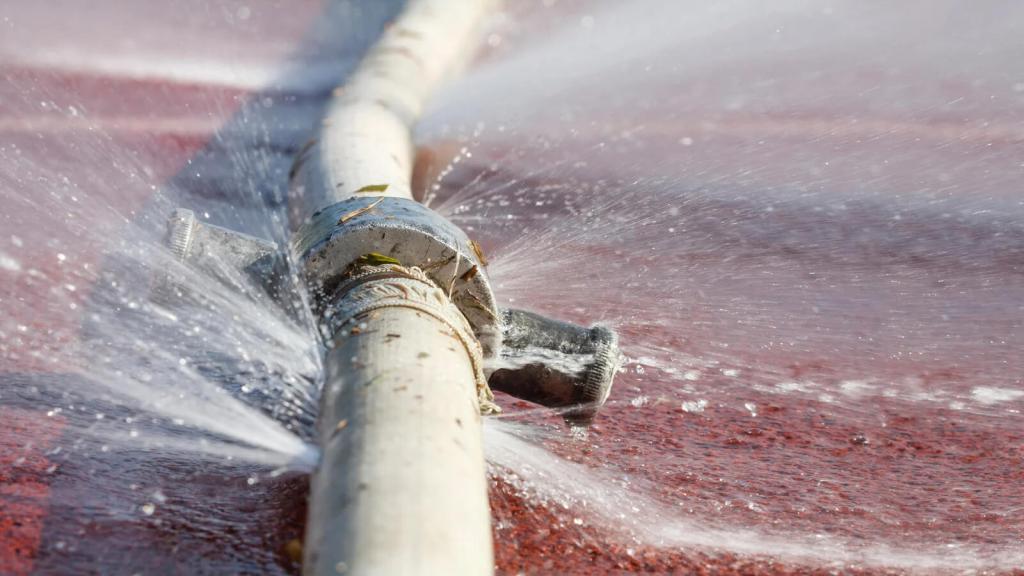
    Trunk Main Leak Detection: Protecting Water Infrastructure

    Water utilities across Australia and New Zealand face increasing pressure to reduce water loss, improve asset performance, and extend the life of their infrastructure. One of the most critical challenges is the early detection and management of leaks in large water mains, also known as trunk mains.

    These high-capacity pipelines transport massive volumes of water and, when compromised, can lead to significant water loss, property damage, and service disruption. This is where trunk main leak detection becomes not just beneficial—but essential.

    At Aqua Analytics, we specialise in cutting-edge water loss management solutions. From acoustic leak detection to advanced data analytics, our services are tailored to help utilities accurately identify leaks in trunk mains before they escalate. As leaders in the field, we provide comprehensive support to water utilities, ensuring timely detection, reduced non-revenue water, and more efficient infrastructure management.

    Why Trunk Main Leak Detection Is Critical

    Unlike smaller service pipelines, trunk mains are often buried deep underground and can run through complex urban and industrial environments. This makes leaks harder to detect through conventional methods, allowing them to persist undetected for long periods. A leak in a trunk main can result in the loss of thousands of litres per hour—leading to costly repairs, water supply interruptions, and in some cases, structural damage to roads and properties.

    Effective trunk main leak detection is vital for:

    • Minimising water loss
    • Improving network efficiency
    • Preventing catastrophic failures
    • Reducing operational costs
    • Extending asset lifespan

    Aqua Analytics: Your Partner in Trunk Main Leak Detection

    At Aqua Analytics, we take a data-driven, proactive approach to leak detection. Our team combines deep industry knowledge with advanced technology to detect, locate, and assess leaks across complex trunk main networks.

    Our Expertise Includes:

    Smart Acoustic Monitoring

    Using fixed and portable acoustic sensors, we continuously monitor water pipelines for the distinctive sound of escaping water. These tools are effective even in noisy, high-traffic areas.

    Real-Time Data Analysis

    Our remote monitoring solutions provide real-time insights into your network’s performance. By analysing flow, pressure, and sensor data, we can detect anomalies and pinpoint potential leaks quickly.

    Specialised Trunk Main Services

    Trunk main leak detection requires a specialised approach. Our experienced technicians are trained to work with large-diameter, high-pressure pipelines, ensuring precision and safety during all operations.

    Non-Invasive Techniques

    Our methods minimise disruption to communities, infrastructure, and the environment. Where possible, we deploy leak detection technologies that do not require excavation.

    Benefits of Working with Aqua Analytics

    Choosing Aqua Analytics for your trunk main leak detection needs ensures more than just leak localisation—it gives you a strategic partner focused on long-term water sustainability and operational efficiency.

    Here’s what sets us apart:

    Industry-Leading Technology

    We stay ahead of the curve by investing in the latest detection and monitoring solutions from global leaders in water technology.

    Experienced & Responsive Team

    Our multidisciplinary team understands the unique challenges faced by water utilities and delivers actionable results.

    Proven Track Record

    Aqua Analytics has successfully partnered with leading utilities across Australia and New Zealand, helping them reduce water loss and improve asset performance.

    Custom Solutions

    Every network is different. We tailor our approach to your specific infrastructure, operational goals, and geographic conditions.

    The Future of Trunk Main Monitoring

    As urban centres expand and climate variability increases, the pressure on existing water infrastructure will continue to grow. Traditional, reactive maintenance models are no longer sufficient. The future lies in predictive, data-informed asset management—and trunk main leak detection is a foundational element of this shift.

    By implementing intelligent monitoring and detection systems, water utilities can move from crisis management to proactive control, protecting valuable water resources and delivering greater value to the communities they serve.

    Partner with Aqua Analytics for Smarter Water Management

    If you’re a utility or infrastructure manager looking to improve your trunk main performance, reduce water loss, and future-proof your network, Aqua Analytics is your go-to partner. Our dedication to innovation, efficiency, and sustainability means you’ll receive industry-best service every step of the way.

    Contact Aqua Analytics today to learn more about our trunk main leak detection solutions and how we can help you manage your water assets smarter.
  • Understanding Water Main Breaks: Causes and Prevention

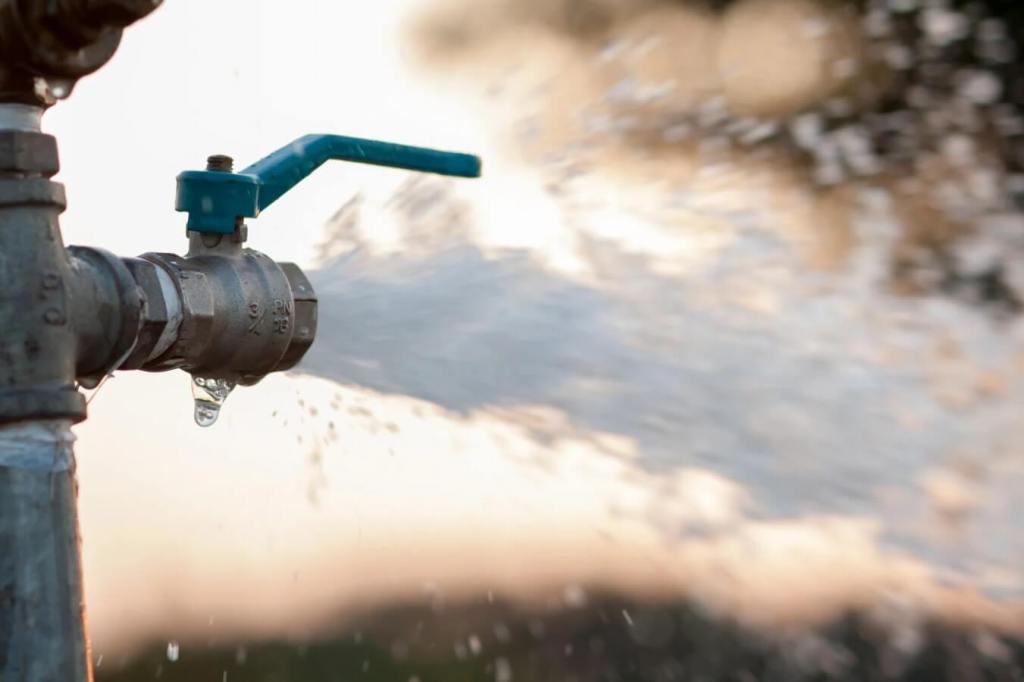
    Understanding Water Main Breaks: Causes and Prevention

    Water main breaks are a serious concern for communities, municipalities, and property owners alike. These unexpected events can cause widespread disruption, property damage, and even pose health and safety risks. Whether you’re a homeowner, business owner, or local council representative, understanding the causes, impact, and solutions surrounding water main breaks is essential for effective planning and response.

    What Are Water Main Breaks?

    A water main break refers to a rupture or fracture in a major underground pipe that delivers water from a municipal source to homes, businesses, and other infrastructure. These pipes are often buried deep beneath roads and sidewalks, making them difficult to access and costly to repair when damaged.

    When a break occurs, it can lead to significant issues such as flooding, reduced water pressure, contaminated drinking water, and road damage. The severity of water main breaks depends on the size of the pipe, the nature of the break, and the response time of repair crews.

    Common Causes of Water Main Breaks

    Understanding what causes water main breaks is the first step toward prevention and preparedness. Some of the most frequent causes include:

    1. Aging Infrastructure

    Many urban centres still rely on water pipes that are several decades old, and some even date back to the early 20th century. Over time, materials like cast iron and clay deteriorate, making them prone to cracking and leaking.

    2. Temperature Fluctuations

    Extreme changes in temperature, particularly in winter, can cause the ground to expand and contract. This movement puts pressure on underground pipes and can lead to breaks, especially during freeze-thaw cycles.

    3. Soil Shifting and Construction

    Heavy traffic, excavation, and nearby construction work can shift the surrounding soil and damage water mains. In areas experiencing rapid development, this becomes an increasing concern.

    4. Corrosion and Material Degradation

    Metal pipes are susceptible to corrosion over time, especially in areas with highly acidic soil or water. As the material weakens, it becomes more likely to fail under pressure.

    5. High Water Pressure

    If water pressure is too high, it can place undue stress on pipelines. While this may not cause an immediate break, over time it contributes to wear and tear that can culminate in a rupture.

    The Impact of Water Main Breaks

    When a water main breaks, the impact can be widespread and costly. Key issues include:

    • Water Supply Disruption: Households and businesses may lose access to clean water for hours or even days.
    • Traffic Disruption: If the break occurs under a road, emergency repairs can lead to traffic diversions and delays.
    • Flooding and Property Damage: Sudden breaks can cause water to flood streets, basements, and commercial premises.
    • Public Health Risks: A compromised water main can allow contaminants into the water supply, posing health hazards.
    • Repair Costs: Emergency repairs are more expensive than planned maintenance and can strain municipal budgets.

    How to Respond to a Water Main Break

    If you suspect a water main break, it’s important to act quickly:

    1. Report It Immediately: Contact your local water authority or utility provider as soon as you notice signs such as water pooling in the street, low water pressure, or discoloured tap water.
    2. Avoid the Area: Stay clear of the affected zone, especially if the break has led to flooding or road damage.
    3. Turn Off Your Water Supply: If flooding is affecting your property, shut off the main water valve to prevent further damage.
    4. Follow Boil-Water Advisories: If local authorities issue a boil-water notice, follow their instructions until the water is deemed safe.

    Preventing Future Water Main Breaks

    While not all water main breaks can be prevented, proactive measures can reduce their frequency and severity:

    • Upgrade Aging Infrastructure: Municipalities should invest in replacing outdated pipes with modern, durable materials like PVC or ductile iron.
    • Regular Maintenance and Monitoring: Smart water meters and sensors can help detect pressure drops and small leaks before they escalate.
    • Public Awareness Campaigns: Educating residents and businesses on how to identify early signs of a problem can lead to faster reporting and response.

    Conclusion

    Water main breaks are more than just an inconvenience—they’re a costly, disruptive event that can have significant consequences for communities. With aging infrastructure and climate extremes on the rise, the frequency of these incidents is likely to increase unless proactive measures are taken.

    By understanding what causes water main breaks and how to prevent and respond to them, cities, property owners, and utilities can work together to minimize their impact and ensure a more reliable water supply for all.

  • Understanding Smart Water Metering

    Understanding Smart Water Metering

    Water is one of the most valuable resources on the planet, yet millions of litres are lost every day due to leaks, inefficient usage, and outdated monitoring systems. With the growing demand for sustainable and smart infrastructure, smart water metering has emerged as a game-changing solution for utilities, businesses, and households alike.

    In this blog, we’ll explore what smart water metering is, how it works, its key benefits, and why it’s essential for modern water management strategies.

    What is Smart Water Metering?

    Smart water metering involves the use of advanced metering infrastructure (AMI) to collect real-time data on water consumption. Unlike traditional water meters that require manual readings, smart meters automatically transmit usage data to utility companies via wireless communication systems such as cellular, radio frequency (RF), or Internet of Things (IoT) networks.

    These systems provide accurate and up-to-date information about water flow, pressure, leaks, and usage patterns, allowing both providers and consumers to monitor and manage water consumption more efficiently.

    How Does Smart Water Metering Work?

    Smart water meters are equipped with digital sensors and communication modules. Here’s a breakdown of how they function:

    1. Data Collection: The meter tracks water consumption in real time, capturing detailed usage metrics by the minute or hour.
    2. Data Transmission: Using secure wireless networks, the meter sends this data to a centralised system or cloud-based platform.
    3. Data Analysis: Utilities and users can analyse consumption trends, detect anomalies, and gain actionable insights.
    4. Alerts and Reporting: The system can send alerts for leaks, excessive usage, or irregularities directly to consumers and service providers.

    This automated process eliminates the need for manual readings, reduces human error, and supports proactive water conservation efforts.

    Benefits of Smart Water Metering

    1. Accurate Billing

    One of the primary advantages of smart water metering is the elimination of estimated billing. Consumers are billed based on actual usage, fostering trust and transparency.

    2. Leak Detection and Prevention

    Smart meters can detect leaks quickly, even small ones that would otherwise go unnoticed. Early detection helps prevent water damage and reduces unnecessary costs for both users and utility companies.

    3. Real-Time Monitoring

    Real-time data allows users to adjust their water usage habits. For instance, if a household sees a spike in usage, they can investigate immediately rather than wait for the monthly bill.

    4. Improved Resource Management

    Utilities benefit from better forecasting and resource allocation. Smart water metering enables demand-driven supply, helping manage water stress during droughts or high-demand periods.

    5. Environmental Sustainability

    By promoting water conservation and reducing waste, smart metering supports sustainability goals and helps cities meet environmental regulations.

    6. Remote Accessibility

    Smart metering systems can be accessed via web portals or mobile apps, offering convenience to users and reducing the need for on-site visits.

    Smart Water Metering for Homes and Businesses

    Whether you’re managing a residential property, commercial building, or industrial site, smart water metering delivers measurable advantages.

    • Residential: Homeowners can track consumption and identify inefficient appliances or habits. Some systems allow integration with home automation platforms.
    • Commercial: Businesses can pinpoint high-usage areas, reduce operational costs, and demonstrate their commitment to sustainability.
    • Municipal: Councils and utility providers can monitor entire water networks, identify system losses, and streamline maintenance schedules.

    Overcoming Implementation Challenges

    While the benefits of smart water metering are clear, there are some challenges to consider:

    • Initial Costs: Upfront investment can be significant, but long-term savings often outweigh the initial expense.
    • Data Privacy: As with any IoT system, ensuring secure data transmission is vital to protect consumer information.
    • Infrastructure Readiness: Older plumbing systems may need upgrades to accommodate smart technology.

    Fortunately, advancements in technology and increased government support for sustainable infrastructure are helping address these barriers.

    The Future of Water Management

    With climate change, population growth, and urbanisation putting pressure on global water resources, smart water metering is no longer a luxury—it’s a necessity. By enabling precise monitoring, automated reporting, and sustainable usage, smart meters are transforming the way we manage water.

    Adoption is growing rapidly across Australia, Europe, and North America, and it’s expected that smart water solutions will soon become standard in both new developments and existing infrastructure.

    Final Thoughts

    If you’re looking to enhance water efficiency, lower costs, and contribute to environmental conservation, investing in smart water metering is a forward-thinking solution. Whether for residential, commercial, or municipal use, smart meters offer real-time control, actionable insights, and long-term benefits for all stakeholders.

    Start making smart choices today with smart water metering—because every drop counts.

  • Smart Water Technology Implementation: Future Water Management

    Smart Water Technology Implementation: Future Water Management

    In the face of growing climate challenges, urbanisation, and increasing demand for sustainable resources, the need for intelligent water management has never been greater. Enter smart water technology implementation—a game-changing approach that leverages digital solutions to monitor, manage, and optimise water systems across municipalities, industries, and households.

    This blog explores how smart water technology implementation is revolutionising the water industry, its benefits, key components, and the roadmap for successful integration.

    What Is Smart Water Technology?

    Smart water technology refers to the integration of advanced tools such as IoT sensors, AI-driven analytics, real-time data dashboards, and cloud computing into water management systems. This technology provides utilities and organisations with actionable insights into water usage, leak detection, quality monitoring, and infrastructure performance.

    Smart water technology implementation is not just a trend—it’s a critical step toward creating more efficient, resilient, and sustainable water systems.

    Why Smart Water Technology Implementation Matters

    Water utilities worldwide face several persistent challenges, including:

    • Aging infrastructure
    • Water loss through undetected leaks
    • High energy consumption
    • Limited visibility of system performance
    • Regulatory compliance requirements
    • Increased customer demand for transparency

    Smart water technology addresses these issues by enabling automated monitoring, proactive maintenance, and smarter decision-making—helping cities and businesses conserve resources and reduce operational costs.

    Benefits of Smart Water Technology Implementation

    1. Real-Time Leak Detection and Prevention

    One of the most impactful benefits of smart water technology implementation is its ability to detect leaks in real-time. IoT-enabled sensors placed along pipelines can alert operators immediately when abnormal flow is detected, preventing water loss, property damage, and high repair costs.

    2. Optimised Resource Allocation

    By analysing usage patterns and pressure zones, utilities can optimise when and where water is distributed. This leads to better pressure management, reduced wastage, and improved supply reliability—especially during peak demand periods.

    3. Improved Water Quality Monitoring

    Smart systems continuously track water quality indicators such as pH levels, chlorine content, and temperature. This allows faster identification of contamination risks and ensures safe water delivery to end users.

    4. Enhanced Energy Efficiency

    Pumping and treating water require energy. Smart water management solutions help utilities monitor energy consumption in real time and identify opportunities for optimisation—reducing carbon footprints and energy costs.

    5. Regulatory Compliance and Reporting

    Smart water technology makes compliance reporting easier through automated data collection and real-time dashboards. This ensures organisations meet local and international standards without manual intervention.

    Key Components of a Smart Water System

    For a successful smart water technology implementation, the following components are crucial:

    • Smart Sensors: Monitor flow, pressure, temperature, and quality throughout the system.
    • Communication Networks: Use wireless or LoRaWAN networks to transmit data securely and reliably.
    • Data Analytics Platforms: Translate raw data into insights using AI and machine learning.
    • SCADA Systems: Enable centralised control and monitoring of water treatment and distribution processes.
    • Cloud Infrastructure: Stores and processes data remotely, allowing scalable access and integration.

    How to Successfully Implement Smart Water Technology

    Implementing smart water systems requires a strategic and phased approach:

    1. Assessment and Goal Setting

    Start by evaluating your current infrastructure and defining objectives. Are you aiming to reduce water loss, improve billing accuracy, or enhance customer service?

    2. Pilot Program

    Run a pilot in a selected area to test technologies and fine-tune processes before full-scale deployment.

    3. Choose the Right Technology Partner

    Work with experienced vendors that understand both the technology and the specific challenges of your water system.

    4. Integration and Training

    Ensure seamless integration with existing systems and train staff to use the new tools effectively.

    5. Monitoring and Optimisation

    Once deployed, continually monitor system performance, gather feedback, and make iterative improvements.

    Use Cases Across the Globe

    Cities like Singapore, London, and Los Angeles are already leading in smart water technology implementation. For instance:

    • Singapore’s PUB uses smart meters and AI to detect leaks before they cause major issues.
    • Thames Water in the UK has deployed over 1 million smart meters to improve consumption accuracy.
    • Los Angeles uses IoT sensors to monitor water levels in reservoirs and predict maintenance needs.

    These initiatives demonstrate how cities can become more resilient and sustainable through digital water management.

    Final Thoughts

    The future of water lies in innovation, and smart water technology implementation is at the core of that transformation. By investing in intelligent systems today, utilities, councils, and corporations can achieve long-term savings, reduce environmental impact, and improve service delivery.

    As global water challenges intensify, there’s never been a better time to embrace smart water technology. Whether you’re a municipal decision-maker or a business leader, now is the time to act—and lead your organisation into a smarter, more sustainable future.

  • Advanced Water Network Calming: Reducing Water Loss

    Advanced Water Network Calming: Reducing Water Loss

    As global water scarcity becomes an increasing concern, utilities and municipalities are turning to innovative methods to manage water distribution more efficiently. One such solution is advanced water network calming—a strategic approach that optimises water pressure and flow dynamics to reduce bursts, leaks, and energy consumption across urban water systems.

    In this article, we’ll explore what advanced water network calming is, why it’s vital for modern infrastructure, and how it contributes to a more sustainable and resilient water network.

    What Is Advanced Water Network Calming?

    Advanced water network calming refers to the use of intelligent technologies and hydraulic control methods to manage and stabilise pressure within water distribution networks. This approach helps minimise pressure fluctuations that can lead to pipe stress, bursts, and long-term infrastructure degradation.

    By implementing advanced sensors, real-time data analytics, and pressure management valves, utilities can dynamically control flow rates and pressures throughout the network. The goal is to maintain just enough pressure to meet demand without overstressing the pipes.

    The Need for Water Network Calming

    Water distribution systems are under constant stress due to variable demand, aging infrastructure, and unplanned events like valve closures or pump failures. These stresses often result in pressure transients—also known as hydraulic shocks—which can cause:

    • Pipe bursts
    • Joint leaks
    • Water loss (non-revenue water)
    • Increased maintenance costs
    • Reduced infrastructure lifespan

    Advanced water network calming plays a critical role in mitigating these risks by providing a proactive approach to pressure management and system stability.

    Benefits of Advanced Water Network Calming

    1. Reduced Water Loss

    Non-revenue water, often caused by leaks and bursts, is a major issue for water utilities. By maintaining stable pressures, advanced water network calming reduces the likelihood of leaks, directly contributing to lower water loss rates and increased revenue.

    2. Extended Infrastructure Lifespan

    Excessive pressure can significantly degrade pipes, valves, and other infrastructure components. Calming the network reduces wear and tear, delaying the need for costly repairs or replacements.

    3. Energy Efficiency

    Controlling pressure means pumps don’t need to work as hard or as frequently. This reduces energy consumption and carbon emissions associated with pumping operations.

    4. Improved Service Reliability

    Pressure stability helps prevent unexpected service disruptions. Consumers benefit from consistent water pressure and fewer service interruptions due to pipe failures.

    5. Data-Driven Decision Making

    Many advanced water network calming systems are integrated with smart monitoring tools that offer real-time data. This allows operators to detect anomalies early, model pressure zones, and respond quickly to changes in network conditions.

    Key Components of an Advanced Water Network Calming System

    Implementing an advanced water network calming solution typically involves:

    • Pressure Reducing Valves (PRVs): Automatically adjust pressure based on downstream demand and system needs.
    • Smart Sensors and Meters: Monitor flow, pressure, and quality metrics across the network in real-time.
    • SCADA Integration: Supervisory Control and Data Acquisition systems that allow remote monitoring and control.
    • AI and Predictive Analytics:Analyse patterns and predict where pressure instabilities may arise to allow for preventative actions.
    • District Metered Areas (DMAs): Segmenting the network into zones for better control and leak detection.

    Use Cases Around the World

    Cities across the globe have successfully implemented advanced water network calming to solve real-world challenges.

    In the UK, water companies have adopted pressure management technologies to meet stringent leakage targets. In Australia, utilities in drought-prone regions have turned to network calming as a tool to conserve water and reduce operational costs.

    These examples demonstrate that advanced water network calming is not just a theory—it’s a proven, practical solution with tangible results.

    Implementing Advanced Water Network Calming

    For utilities looking to implement a calming strategy, the process typically starts with:

    1. Network Assessment: Identify high-pressure zones and areas prone to leaks or bursts.
    2. Technology Integration: Deploy sensors, PRVs, and other hardware components.
    3. Control Strategy Design: Use data to design algorithms or rules for optimal pressure management.
    4. Monitoring and Adjustment: Continuously monitor system performance and refine strategies over time.

    Engaging with experienced engineering consultants and water technology providers can ensure a smooth and effective deployment.

    Conclusion

    In an age where water conservation and infrastructure sustainability are more important than ever, advanced water network calming stands out as a powerful solution. By reducing pressure-related damage, improving operational efficiency, and conserving valuable resources, this approach supports both environmental goals and long-term infrastructure health.

    Utilities that embrace advanced water network calming are not just saving money—they’re investing in a smarter, more resilient future.

  • Effective Water Network Management for Regional Councils

    Effective Water Network Management for Regional Councils

    Water network management for regional councils is a critical responsibility that ensures communities have access to clean, reliable, and safe water. Unlike urban centres that may have larger budgets and advanced infrastructure, regional councils often face unique challenges such as aging assets, limited resources, and dispersed populations. That’s why efficient planning, smart technology integration, and proactive maintenance are essential to effective water network management in these areas.

    What Is Water Network Management?

    Water network management refers to the oversight, planning, operation, and maintenance of the infrastructure that delivers water from its source to consumers. This includes:

    • Water treatment plants
    • Pumping stations
    • Pipes and mains
    • Reservoirs and storage facilities
    • Monitoring and control systems

    For regional councils, water network management also involves community engagement, regulatory compliance, and long-term asset sustainability.

    Challenges Faced by Regional Councils

    Regional councils encounter a range of difficulties when managing water infrastructure:

    1. Aging Infrastructure

    Many regional areas have outdated water systems that are prone to leaks, breakdowns, and inefficiencies. Replacing or upgrading this infrastructure requires significant investment, which can strain council budgets.

    2. Geographical Spread

    Water networks in regional areas often cover vast and sparsely populated regions. This makes it more difficult and costly to monitor and maintain the system regularly.

    3. Climate Variability

    Droughts, floods, and other extreme weather events can disrupt water supply and damage infrastructure. Councils must prepare for these environmental risks while ensuring water security.

    4. Funding and Resources

    Limited access to funding and technical expertise makes it difficult for smaller councils to keep up with best practices in water network management.

    Best Practices in Water Network Management for Regional Councils

    Despite these challenges, there are proven strategies that regional councils can implement to manage their water networks more effectively:

    1. Asset Management Planning

    A structured asset management plan helps councils prioritise maintenance and replacement of water assets. It provides a roadmap for future investments and ensures decisions are based on data and long-term sustainability.

    2. Smart Water Technology

    Adopting smart technologies such as remote sensors, IoT-enabled meters, and SCADA systems can dramatically improve visibility across the network. These tools allow real-time monitoring of water usage, pressure, and leaks, reducing response times and operational costs.

    3. Leak Detection and Pressure Management

    Water loss through leaks is a significant problem in many regional water systems. Proactive leak detection programs and optimised pressure management can reduce non-revenue water and enhance system reliability.

    4. Community Engagement

    Educating the public about water conservation and involving them in infrastructure projects builds trust and encourages responsible water use. Transparent communication also helps residents understand the importance of water infrastructure investment.

    5. Regulatory Compliance

    Regional councils must stay compliant with state and federal water quality and management regulations. Regular audits, water testing, and reporting are necessary to meet these obligations and avoid penalties.

    Benefits of Efficient Water Network Management

    Investing in efficient water network management for regional councils delivers several long-term benefits:

    • Improved Water Quality: Reliable treatment and delivery systems ensure that residents receive safe and clean water.
    • Cost Savings: Preventive maintenance and early leak detection reduce emergency repairs and extend asset lifespans.
    • Environmental Sustainability: Efficient networks reduce water waste and energy usage, contributing to greener communities.
    • Service Reliability: Well-managed systems experience fewer interruptions, boosting community satisfaction and resilience.

    Case Study Example

    In New South Wales, a regional council implemented an advanced leak detection system across its aging pipe network. Within the first year, they identified and repaired over 40 major leaks, saving approximately 120 million litres of water and reducing annual operational costs by 18%. This success highlights how technology and planning can enhance water management outcomes even in resource-limited settings.

    Final Thoughts

    Effective water network management for regional councils is essential for delivering high-quality services to local communities. By adopting modern technologies, investing in asset management, and involving local residents in the process, regional councils can overcome the challenges of limited resources and geographical constraints.

    As environmental pressures and population needs continue to evolve, regional councils must future-proof their water infrastructure with smart, sustainable strategies. This approach not only protects vital natural resources but also ensures that every resident—regardless of location—has access to safe, reliable water.

  • Effective Water Utility Asset Management for Long-Term Sustainability

    Effective Water Utility Asset Management for Long-Term Sustainability

    Water utilities play a crucial role in providing safe, reliable, and efficient water services to communities. Water utility asset management ensures that infrastructure, including pipes, treatment plants, and storage facilities, is well-maintained, cost-effective, and future-ready. Implementing a strategic asset management plan is essential for optimizing performance, reducing operational costs, and extending asset lifespan.

    What is Water Utility Asset Management?

    Water utility asset management refers to the systematic approach of managing infrastructure assets throughout their lifecycle. This includes planning, maintaining, upgrading, and replacing assets to ensure service reliability, regulatory compliance, and environmental sustainability.

    Benefits of Water Utility Asset Management

    1. Extends Asset Lifespan

    Proactive maintenance and timely upgrades help prevent failures, reducing costly emergency repairs and ensuring longevity.

    2. Reduces Operational Costs

    By identifying inefficiencies and optimizing resource allocation, asset management minimizes unnecessary expenditures and maximizes return on investment.

    3. Improves Service Reliability

    Effective asset management ensures consistent water supply, reduces downtime, and enhances system resilience against disruptions.

    4. Enhances Regulatory Compliance

    Water utilities must adhere to strict environmental and safety regulations. A robust asset management plan helps meet compliance requirements and avoid legal penalties.

    5. Supports Sustainable Resource Management

    Smart asset management integrates sustainability practices such as leak detection, energy-efficient technologies, and eco-friendly treatment solutions to protect water resources.

    Key Components of Water Utility Asset Management

    A comprehensive asset management strategy includes:

    • Asset Inventory & Condition Assessment – Documenting infrastructure assets and evaluating their condition.
    • Risk Management & Prioritization – Identifying high-risk assets and prioritizing investments.
    • Lifecycle Cost Analysis – Evaluating long-term costs of asset maintenance, repair, and replacement.
    • Predictive Maintenance – Using advanced technologies to monitor asset health and predict failures before they occur.
    • Data-Driven Decision Making – Leveraging GIS mapping, IoT sensors, and AI-driven analytics for informed decision-making.

    Challenges in Water Utility Asset Management

    Despite its benefits, water utilities face several challenges in asset management:

    • Aging Infrastructure – Many utilities operate with outdated systems that require significant investments.
    • Budget Constraints – Limited funding can make it difficult to execute necessary upgrades.
    • Climate Change Impact – Extreme weather events and water scarcity add pressure to existing infrastructure.
    • Data Integration Issues – Managing vast amounts of data across multiple systems can be complex.

    Best Practices for Optimizing Water Utility Asset Management

    1. Implement Smart Technologies

    Utilizing AI, IoT, and cloud-based asset management software improves monitoring, predictive maintenance, and decision-making.

    2. Adopt a Risk-Based Approach

    Prioritizing assets based on risk assessment helps allocate resources efficiently and prevent critical failures.

    3. Engage in Proactive Maintenance

    Regular inspections, condition assessments, and preventative maintenance extend asset lifespan and reduce unexpected failures.

    4. Leverage Data-Driven Insights

    Advanced analytics and real-time data help optimize operations and improve asset performance.

    5. Ensure Stakeholder Collaboration

    Involving local governments, regulatory bodies, and community stakeholders fosters transparency and supports sustainable asset management strategies.

    Choosing the Right Water Utility Asset Management Solution

    Selecting an asset management system tailored to your utility’s needs is crucial. Look for solutions that offer:

    • Real-time Monitoring & Analytics
    • Predictive Maintenance Capabilities
    • Regulatory Compliance Tracking
    • GIS Integration for Asset Mapping
    • Customizable Reporting & Dashboards

    Conclusion

    Investing in a water utility asset management plan ensures long-term sustainability, improved service reliability, and cost-effective operations. By leveraging technology, proactive strategies, and best practices, utilities can enhance infrastructure resilience and meet the growing demands of communities.

    Looking to optimize your water utility assets? Implement a strategic asset management approach today for smarter, more efficient water infrastructure management.

  • Water Pipe Management for the Mining Industry

    Water Pipe Management for the Mining Industry

    Water plays a crucial role in the mining industry, supporting various operations such as mineral processing, dust suppression, slurry transportation, and site rehabilitation. Effective water pipe management ensures efficient water distribution, minimizes leaks and failures, and enhances environmental sustainability. Given the harsh conditions of mining environments, proper planning, installation, and maintenance of water pipes are critical to ensuring uninterrupted operations and cost efficiency.

    Importance of Water Pipe Management in Mining

    Water pipe systems in mining operations must withstand high pressures, extreme temperatures, and exposure to abrasive materials. Poorly managed water infrastructure can lead to severe consequences, including operational delays, increased maintenance costs, and environmental damage. Effective water pipe management helps in:

    • Enhancing operational efficiency: Ensuring a steady and reliable water supply for critical processes.
    • Reducing downtime: Preventing pipe failures and minimizing maintenance-related disruptions.
    • Improving safety: Preventing leaks and bursts that could lead to hazardous working conditions.
    • Environmental compliance: Reducing water wastage and preventing contamination of nearby water sources.

    Key Considerations in Water Pipe Management

    1. Pipe Material Selection

    Selecting the right pipe material is essential to ensure durability and efficiency. Common materials used in mining water pipe systems include:

    • High-Density Polyethylene (HDPE): Highly resistant to corrosion, lightweight, and flexible, making it ideal for underground and surface water transportation.
    • Steel Pipes: Strong and durable, often used in high-pressure applications but susceptible to corrosion.
    • PVC and CPVC Pipes: Suitable for low-pressure water distribution, offering resistance to chemical exposure.
    • Rubber-Lined Pipes: Used in slurry transportation to reduce wear and tear from abrasive particles.

    2. Proper Installation Techniques

    Incorrect pipe installation can lead to premature failure, leaks, and inefficiencies. Best practices for installation include:

    • Ensuring proper trench depth and bedding for underground pipes to prevent damage from ground movement.
    • Using high-quality joints and fittings to minimize leaks and pressure losses.
    • Conducting thorough inspections and pressure testing before commissioning the system.

    3. Maintenance and Monitoring

    Regular inspection and maintenance are crucial to extending the lifespan of water pipes and ensuring uninterrupted operations. Maintenance strategies include:

    • Routine Inspections: Checking for signs of wear, corrosion, leaks, and blockages.
    • Pressure Monitoring: Identifying fluctuations that may indicate pipe damage or leaks.
    • Cleaning and Flushing: Removing sediment buildup and preventing blockages in the pipeline.
    • Repair and Replacement: Addressing minor issues before they escalate into major failures.

    4. Leak Detection and Prevention

    Leaks in mining water pipes can lead to significant water loss, increased costs, and environmental risks. Advanced leak detection methods include:

    • Acoustic Sensors: Detecting noise variations caused by leaks.
    • Flow Meters: Identifying irregularities in water flow that may indicate leakage.
    • Infrared and Thermal Imaging: Locating temperature variations that suggest pipe damage.

    5. Sustainable Water Management Practices

    Given the increasing focus on environmental responsibility, mining companies must adopt sustainable water pipe management practices, such as:

    • Water Recycling and Reuse: Reducing freshwater consumption by treating and reusing process water.
    • Rainwater Harvesting: Collecting and utilizing rainwater to supplement water supply.
    • Reducing Water Waste: Implementing efficient irrigation systems and leak-proof pipe networks.

    Challenges in Water Pipe Management

    Despite best practices, mining operations face several challenges in water pipe management, including:

    • Harsh Environmental Conditions: Extreme temperatures, abrasive materials, and heavy equipment movement increase wear and tear.
    • Remote Locations: Limited access to infrastructure and repair services can delay maintenance efforts.
    • Regulatory Compliance: Adhering to strict environmental regulations requires advanced monitoring and reporting systems.

    Conclusion

    Efficient water pipe management is essential for the mining industry to ensure operational continuity, cost efficiency, and environmental sustainability. By selecting the right materials, implementing proper installation techniques, conducting regular maintenance, and adopting sustainable practices, mining companies can enhance their water management systems and mitigate potential risks. Investing in advanced monitoring and leak detection technologies further improves efficiency, helping the industry achieve long-term sustainability and compliance with environmental standards.

Design a site like this with WordPress.com
Get started