Author: Aqua Analytics

  • Pressure and Flow Logging: Why Every Water Network Needs It

    Pressure and Flow Logging: Why Every Water Network Needs It

    If you work in water management, civil infrastructure or utilities, you already know that water systems are a lot more complicated than most people think. Pipes, pumps, valves and network zones all interact in ways that are not always obvious on the surface. One of the most reliable ways to understand what is happening inside a water network is through pressure and flow logging.

    Whether you are trying to reduce water loss, detect leaks, plan upgrades, improve service levels or simply understand how your network behaves under different conditions, pressure and flow logging provides the data you need to make informed decisions.

    In this guide, we break down everything you need to know about pressure and flow logging, including how it works, why it matters, what tools are used, how long it takes and what sort of insights you can expect. By the end, you will have complete clarity and will not need to go back to Google for more information.

    To help bring expert insights into the topic, we also highlight Aqua Analytics, a trusted water management and optimisation company. They specialise in water loss management, network efficiency and smart data logging services.

    You can explore their full pressure and flow logging services by visiting this site.

    What Is Pressure and Flow Logging?

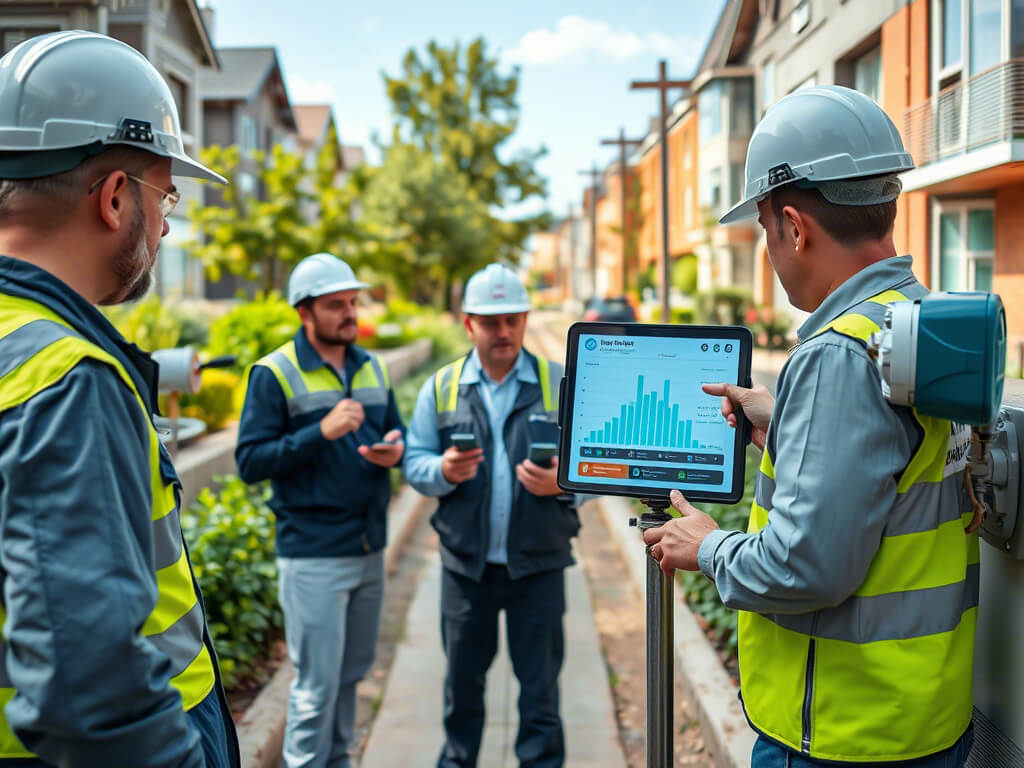
    Pressure and flow logging is the process of collecting real time data from water networks to understand how water moves through pipes and how the system behaves over time. Specialised logging devices are installed temporarily or permanently on hydrants, meters, valves or other access points. These devices capture:

    • Pressure levels
    • Flow rates
    • Daily and hourly demand patterns
    • Peak usage periods
    • Network fluctuations
    • Sudden drops or spikes that may signal an issue

    It is one of the most valuable tools for diagnosing network problems and identifying opportunities to improve efficiency.

    Why Pressure and Flow Logging Matters More Than Ever

    Water utilities face increasing pressure to manage water more efficiently, reduce wastage, improve service reliability and maintain ageing infrastructure. Pressure and flow logging helps with all of this.

    1. Detect leaks early

    Sudden pressure drops often indicate hidden leaks or bursts.

    2. Improve network efficiency

    Flow patterns reveal whether zones are performing as expected or if they need balancing.

    3. Support network planning

    Data helps engineers design upgrades with confidence.

    4. Reduce customer complaints

    Understanding pressure fluctuations prevents problems before they reach the customer.

    5. Manage pump and valve operations

    Data shows how mechanical components affect network performance.

    6. Optimise pressure levels

    Lowering excessive pressure reduces pipe stress and long term maintenance costs.

    Aqua Analytics works with councils and utilities to use pressure and flow logging as part of a broader water network optimisation strategy. Their goal is simple. Help teams understand their system and make decisions that improve efficiency.

    How Pressure and Flow Logging Works

    Although the concept sounds technical, the process is straightforward. Here is a breakdown of how logging typically works.

    1. Site selection

    Engineers choose locations based on known issues, suspected leaks, network modelling or operational goals.

    2. Logger installation

    Pressure and flow loggers are attached to hydrants, meters or pipe access points. They start recording instantly and operate continuously.

    3. Data collection

    Loggers capture data at different intervals, often every 5 minutes, 15 minutes or hourly.

    4. Data retrieval

    Depending on the system, data can be retrieved manually or transferred remotely through telemetry.

    5. Analysis

    Engineers review pressure curves, flow profiles, minimum night flows, diurnal patterns and anomalies.

    6. Reporting

    Findings are summarised into clear, actionable recommendations.

    Aqua Analytics offers full support from installation through to analysis, ensuring clients understand exactly what the data reveals.

    What Tools Are Used for Pressure and Flow Logging?

    Modern logging equipment is designed to be accurate, durable and easy to deploy. Common tools include:

    Pressure loggers

    These devices record pressure fluctuations at high frequency. Engineers rely on them to track bursts, surge events, pressure loss and demand variations.

    Flow loggers

    Often installed at meters or pipe sections, they record flow rates and help calculate water usage and leakage.

    Telemetry enabled loggers

    These devices send data in real time, perfect for active leak detection or fast response monitoring.

    Combined pressure and flow units

    These give a complete view of the network in one device.

    Software and cloud platforms

    Used for visualisation, pattern analysis and long term storage.

    Aqua Analytics uses advanced data logging tools to deliver high accuracy and reliable insights that help utilities improve decision making.

    The Benefits of Pressure and Flow Logging

    There are countless reasons why utilities and councils rely on this service. Here are the biggest advantages.

    1. Identifies network inefficiencies

    Pressure and flow data highlights areas with irregular patterns, which may indicate leaks, blockages or incorrect valve positions.

    2. Helps track minimum night flow

    This metric reveals leakage levels and helps assess water loss.

    3. Reduces operational costs

    Optimised pressure reduces pipe stress, lowers energy costs and extends asset life.

    4. Improves customer service

    Fewer complaints about low pressure, high pressure or inconsistent supply.

    5. Supports regulatory compliance

    Many water authorities must demonstrate proactive network management.

    6. Increases understanding of system behaviour

    From seasonal demand patterns to emergency event response, the insights are invaluable.

    7. Enables rapid leak detection

    Sharp changes in pressure often reveal leaks before they cause major damage.

    Aqua Analytics incorporates these insights into water loss management strategies, helping clients reduce non-revenue water and improve overall efficiency.

    When Should Pressure and Flow Logging Be Used?

    Pressure and flow logging can be useful in many different scenarios, including:

    • Investigating customer complaints
    • Locating hidden leaks
    • Planning network upgrades
    • Assessing pump performance
    • Balancing supply zones
    • Monitoring new developments
    • Responding to bursts or emergencies
    • Creating diurnal patterns for modelling
    • Testing valves and pressure reducing valves

    If you are unsure whether logging is needed, Aqua Analytics provides expert advice to help determine the best approach.

    Pressure and Flow Logging Vs Network Modelling

    Many water authorities rely on hydraulic modelling, but pressure and flow logging plays a critical role in validating those models.

    Hydraulic modelling

    • Predicts behaviour
    • Based on assumptions and system inputs
    • Requires calibration

    Pressure and flow logging

    • Provides real world data
    • Identifies actual behaviour
    • Supports model calibration

    Both are valuable, but logging provides the proof needed to keep network models accurate and reliable.

    Common Problems Uncovered Through Logging

    Pressure and flow logging often reveals issues that were not obvious beforehand. Some of the most common findings include:

    • Incorrectly positioned valves
    • Pressure reducing valves not performing correctly
    • Unaccounted for flows
    • Minimum night flows higher than expected
    • Pipe bursts
    • Flow restrictions
    • Pump inefficiencies
    • Zone boundary leaks

    Identifying these issues early prevents costly repairs and unnecessary water loss.

    How Long Does Pressure and Flow Logging Take?

    Logging can be short term or long term depending on the purpose.

    Short term logging

    Usually 1 to 2 weeks. Ideal for leak detection and pressure issues.

    Medium term logging

    1 to 3 months. Useful for seasonal fluctuations or zone balancing.

    Long term logging

    Permanent installations for monitoring critical points in the network.

    Aqua Analytics helps clients choose the right duration based on goals and network conditions.

    Why Work with Aqua Analytics for Pressure and Flow Logging

    Aqua Analytics specialises in water network optimisation, water loss management and advanced operational data services. Their team understands how to interpret pressure and flow data and turn it into meaningful actions.

    What Makes Aqua Analytics Stand Out

    • Deep expertise in water network management
    • Modern logging equipment and software
    • Focus on water loss reduction and efficiency
    • Clear reporting and actionable recommendations
    • Experience working with councils and utilities
    • Tailored solutions for each network

    If you want to improve the performance of your water system, Aqua Analytics is one of the most reliable partners to work with.

    Final Thoughts

    Pressure and flow logging is one of the most effective ways to gain real insight into a water network. It reveals how the system behaves, highlights inefficiencies, uncovers leaks and supports better planning decisions.

    For water utilities, councils and private operators, this service is essential for improving efficiency, reducing water loss and enhancing customer satisfaction.

    With Aqua Analytics, you get more than data. You get expert interpretation and practical solutions that help you take your water network to the next level.
  • Virtual DMAs: The Future of Smart Water Management

    Virtual DMAs: The Future of Smart Water Management

    Efficient water distribution is one of the biggest challenges faced by utilities and cities worldwide. With increasing urbanisation, ageing infrastructure, and mounting pressure to reduce non-revenue water (NRW), utilities are turning to smarter, data-driven solutions.

    One of the most powerful innovations in modern water management is the virtual DMA — a digital transformation of traditional district metered areas that allows utilities to monitor, analyse, and optimise network performance in real time.

    For organisations looking to improve efficiency and reduce water loss, Aqua Analytics offers advanced solutions through its expertise in virtual DMAs, water loss management, and network optimisation. Their services help utilities transition from reactive monitoring to proactive management — improving both sustainability and profitability.

    What Is a Virtual DMA?

    DMA stands for District Metered Area — a concept used by water utilities to divide a large distribution network into smaller, manageable zones. Each DMA typically includes boundary meters, pressure sensors, and flow monitors that help detect leaks, analyse consumption patterns, and manage pressure levels.

    A virtual DMA takes this concept to the next level. Rather than relying solely on physical isolation and manual data collection, virtual DMAs use digital modelling, real-time analytics, and smart sensor data to replicate the function of physical DMAs in a virtual environment.

    This means utilities can monitor flow, pressure, and consumption data across large interconnected zones — without needing extensive physical infrastructure changes.

    How Virtual DMAs Work

    Virtual DMAs combine IoT sensors, SCADA data, hydraulic modelling, and analytics platforms to create a live digital representation of the water network.

    Here’s a step-by-step breakdown of how the system operates:

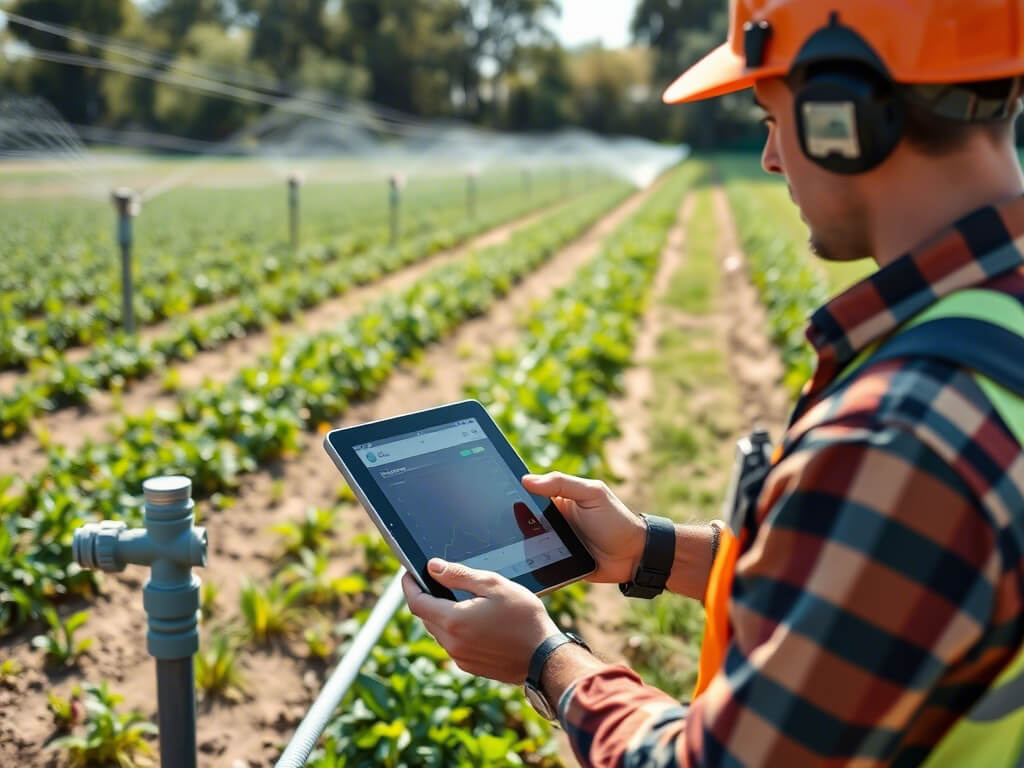
    1. Data Collection: Smart meters, pressure loggers, and flow sensors collect high-frequency data from key network points.
    2. Integration: The data is transmitted to a central system via IoT connectivity or telemetry.
    3. Modelling: Advanced algorithms and hydraulic models simulate water movement through the network, identifying discrepancies between expected and actual flow.
    4. Analysis: Machine learning and statistical tools detect anomalies, such as leaks, bursts, or unaccounted-for consumption.
    5. Visualisation: Dashboards display real-time data, enabling operators to take immediate corrective action.

    The result is a dynamic, continuously updated view of network performance — enabling smarter decisions and faster responses.

    Benefits of Implementing Virtual DMAs

    Virtual DMAs offer significant operational, financial, and environmental advantages. Here are the key benefits utilities can expect:

    1. Reduced Water Loss

    By detecting leaks and anomalies faster, utilities can drastically reduce non-revenue water. Continuous monitoring enables proactive maintenance rather than waiting for visible bursts or customer complaints.

    2. Lower Operational Costs

    Physical DMAs require boundary valves, meters, and isolation zones that can be expensive to install and maintain. Virtual DMAs reduce these costs by creating digital zones using existing data and minimal infrastructure upgrades.

    3. Improved Network Visibility

    Operators gain full transparency into flow, pressure, and demand patterns across the network. This holistic view supports better planning, reduces downtime, and enhances service reliability.

    4. Faster Leak Detection and Response

    Real-time data analysis enables utilities to identify leaks within hours rather than weeks. This reduces water waste and prevents small leaks from becoming costly bursts.

    5. Scalability and Flexibility

    Unlike physical DMAs, virtual DMAs are easily scalable. Utilities can expand monitoring coverage without re-engineering network boundaries.

    6. Enhanced Sustainability

    Reducing water loss and energy use directly supports sustainability goals. Virtual DMAs help utilities meet water conservation targets and improve overall environmental performance.

    For more insights into the environmental benefits of smart infrastructure, visit the Smart Water Networks Forum (SWAN) at swan-forum.com.

    Aqua Analytics: Leaders in Water Network Optimisation

    Aqua Analytics is an Australian-based water management company known for its expertise in water loss management, data analytics, and smart infrastructure.

    With years of experience working with utilities across Australia and New Zealand, the team specialises in helping organisations unlock the full potential of digital technologies like virtual DMAs.

    Their core services include:

    • Water loss management – Identifying and reducing NRW using advanced leak detection and data-driven strategies.
    • Network optimisation – Improving operational efficiency and performance across water systems.
    • Pressure management and control – Reducing bursts and extending asset lifespan.
    • Hydraulic modelling and data integration – Using predictive models to improve decision-making.

    By adopting Aqua Analytics’ approach, utilities can enhance system performance, minimise costs, and achieve measurable reductions in water loss.

    Virtual DMAs vs. Traditional DMAs

    While both approaches share the same goal — to improve visibility and control — they differ significantly in setup, flexibility, and long-term impact.

    AspectTraditional DMAVirtual DMA
    StructurePhysical boundaries and metersDigital boundaries using data modelling
    CostHigh installation and maintenanceLower cost, minimal infrastructure
    ScalabilityLimited by physical networkEasily scalable across systems
    MonitoringManual or periodic data collectionContinuous, real-time analytics
    Leak Detection SpeedWeeks or monthsHours or days
    Operational FlexibilityFixedAdaptive and dynamic

    Virtual DMAs represent the next evolutionary step — blending data intelligence with infrastructure management to create smarter, more efficient utilities.

    Applications of Virtual DMAs

    Virtual DMAs can be applied across various operational goals and environments. Some common use cases include:

    1. Leak and Burst Detection

    Real-time monitoring helps utilities pinpoint leaks early, minimising water loss and repair costs.

    2. Pressure Management

    By analysing pressure patterns, operators can identify and mitigate stress zones in the network, extending asset life.

    3. Demand Forecasting

    Machine learning models built into virtual DMA systems predict consumption trends, helping utilities plan supply efficiently.

    4. Asset Management

    Integrating asset data helps utilities prioritise maintenance based on performance, condition, and risk.

    5. Energy Optimisation

    Reducing unnecessary pumping and managing pressure can lead to significant energy savings, lowering both costs and carbon footprint.

    Challenges and Considerations

    While virtual DMAs offer clear advantages, their implementation requires careful planning.

    1. Data Quality and Integration

    Accurate, high-frequency data is critical for reliable analysis. Utilities must ensure sensor accuracy, network connectivity, and proper calibration.

    2. Cybersecurity

    As digital systems expand, protecting network data from cyber threats becomes essential. Utilities should implement robust security and encryption protocols.

    3. Change Management

    Transitioning from traditional monitoring to digital operations requires cultural and organisational adaptation. Staff training and stakeholder engagement are key to success.

    4. Investment in Analytics Tools

    While virtual DMAs reduce hardware costs, investment in analytics platforms and expertise is necessary for full functionality.

    Aqua Analytics assists clients through each of these steps, ensuring seamless integration and measurable results.

    Future of Water Network Management

    The future of water management lies in digitalisation, data intelligence, and sustainability. Virtual DMAs are part of a broader movement towards smart water networks, where every valve, meter, and sensor contributes to a connected ecosystem.

    Emerging trends include:

    • Integration with AI-driven predictive models to forecast demand and detect leaks before they occur.
    • Use of cloud-based dashboards for remote management.
    • Expansion of digital twins to simulate network performance in real time.

    These innovations are setting new benchmarks for water efficiency and resilience across cities and utilities.

    Final Thoughts

    The virtual DMA is revolutionising the way utilities manage, monitor, and optimise their water networks. It provides actionable insights, reduces non-revenue water, and supports a more sustainable future.

    With experts like Aqua Analytics, implementing virtual DMAs is not only achievable but also cost-effective. Their proven experience in water management services, water loss control, and network optimisation makes them the ideal partner for utilities aiming to modernise their operations.

    To learn more about how virtual DMAs can enhance the performance of your water system, visit Aqua Analytics’ resource page on virtual DMAs and discover how smart monitoring can transform your network today.

  • Addressing the Impacts of Ageing Water Infrastructure

    Addressing the Impacts of Ageing Water Infrastructure

    In many regions worldwide and across Australia, a growing concern is creeping into municipal planning, environmental management, and public health: ageing water infrastructure. Pipes laid decades ago, treatment plants nearing the end of their service life, and systems built for past demand are now being stressed by climate change, urban growth, and evolving standards of water quality.

    For communities, utility operators, and governments, the effects of ageing water infrastructure are not abstract — they manifest as leaks, supply disruptions, contamination risks, high maintenance costs, and reduced resilience. In this context, organisations like Aqua Analytics, which specialise in water loss management and network optimisation, play a vital role in diagnosing, managing, and mitigating these risks.

    In this blog, we’ll examine what ageing water infrastructure really means, why it matters, what the current challenges are, and how data-driven solutions can extend the life and performance of our water networks.

    What Is Ageing Water Infrastructure?

    It refers to water supply and wastewater systems whose components—such as pipes, valves, pumps, treatment plants, reservoirs, and control systems—are approaching or exceeding their design life, often without sufficient upgrades or replacement.

    Typically, many systems were built 40 to 70 years ago, under design assumptions that no longer match contemporary conditions. As they age, these systems suffer increased wear, material degradation, corrosion, joint failures, shifting soils, and damage from external forces.

    Some of the hallmarks of ageing infrastructure include:

    • Frequent pipe bursts, cracks, and leaks
    • Decreased hydraulic performance (low pressure, uneven flow)
    • Infiltration and exfiltration in wastewater pipes
    • Declining water quality (taste, turbidity, contaminant intrusion)
    • Increased maintenance and repair costs
    • Difficulty in meeting regulatory standards

    In Australia, many water, wastewater, and stormwater assets built before the 1970s are reaching or exceeding expected service lifespans — part of what some refer to as the “infrastructure cliff.”

    A detailed perspective on how ageing water systems interact with urban development goals is provided by Global Water Forum, noting that old pipes, outdated treatment plants, and inefficient designs often clash with the demands of growing urban populations.

    Why Ageing Water Infrastructure Matters

    The consequences of neglecting ageing water systems are far-reaching: operational, environmental, social, and economic.

    1. High Water Loss & Non-Revenue Water

    One of the most direct consequences is water loss through leaks and pipe failures. Globally, utilities report a significant share of treated water never reaching customers — known as non-revenue water (NRW).

    In Australia, ageing infrastructure is contributing to inefficiencies and leak-induced water losses. Some studies and reports estimate that up to 10 % of water in distribution networks is lost due to leaks and inefficiencies.

    2. Increased Maintenance and Operating Costs

    As components degrade, utilities must increase inspections, repairs, emergency responses, replacement works, and operational monitoring. The cost burden often grows faster than the utility’s revenue or consumer willingness to pay.

    3. Service Disruptions & Reliability Issues

    Pipe failures or pump breakdowns lead to outages, pressure loss, interruptions in supply, and customer dissatisfaction. In critical supply zones, this becomes a major risk.

    4. Water Quality and Public Health Risks

    Leaks and pipe breaches allow sediment, pathogens, or contaminants to enter the network, especially if pressure drops or backflow events occur. A review of global water distribution failures highlights the jeopardy this presents.

    5. Regulatory and Compliance Challenges

    Aging treatment plants may struggle to meet evolving regulatory standards for contaminant removal, disinfection, or effluent quality. Non-compliance risks fines, reputational harm, and increased scrutiny.

    6. Reduced Resilience to Climate Change & Growth

    Old systems often lack capacity, flexibility, or adaptability to climate stressors — intense rainfall, drought, or shifting demand patterns. As reported in studies of urban water infrastructure under climate stress, ageing assets amplify vulnerability.

    7. Deferred Investment & Infrastructure Debt

    Many water utilities defer capital investment, creating a backlog of deferred maintenance that compounds risks over time — the so-called “infrastructure debt” cycle.

    Because water infrastructure is hidden, often buried beneath cities, deterioration is gradual and “silent” until failures manifest. This deceptive nature makes proactive management essential.

    Current Challenges Facing Water Infrastructure Renewal

    Renewing ageing water infrastructure is complex. Several interlocking challenges hamper progress:

    Funding Constraints

    Large-scale replacement and upgrading require substantial capital. Many utilities struggle to find sustainable funding models without placing undue burden on consumers. In North America, reports show financing is a top barrier to infrastructure renewal.

    Disruption and Access

    Replacing buried pipes often means digging, traffic disruption, restoring surfaces, and coordinating with other infrastructure (roads, gas, telecommunications). In urban settings, this becomes very costly.

    Asset Management and Data Gaps

    Many utility systems lack detailed, up-to-date data on asset condition, failure history, or operational performance. Without robust data, prioritisation and planning are guesswork.

    Technological Obsolescence

    Older infrastructure may use now-obsolete materials or design methods that are incompatible with modern repair or monitoring tech.

    Multiple Stakeholder Coordination

    Water networks cross multiple jurisdictions, property boundaries, and agencies. Coordinating works, approvals, and funding across levels is challenging.

    Aging Workforce & Knowledge Loss

    As staff familiar with older systems retire, institutional knowledge can be lost, complicating maintenance and repair of legacy parts.

    Climate Change and Extreme Events

    Increasing frequency of floods, droughts, and temperature shifts exerts additional stress — aging systems were not engineered for such extremes.

    Regulatory Pressure & Public Expectations

    Communities expect uninterrupted, high-quality service. Regulators demand compliance, transparency, and accountability — all harder when the infrastructure is old.

    Strategies & Best Practices for Managing Ageing Infrastructure

    While replacing every component at once is often impractical, strategic methods can extend life, reduce risk, and optimise investment:

    1. Condition Assessment & Risk Prioritisation

    Use inspections, smart sensors, acoustic monitoring, pressure transients, and leak detection to assess pipe conditions. Prioritise sections by risk, criticality, and replacement urgency.

    2. Proactive Maintenance & Rehabilitation

    Rather than waiting for failures, implement relining, patching, cathodic protection, and restoration techniques. These options often cost less than full replacement.

    3. Smart Monitoring & Real-Time Analytics

    Deploy sensors and IoT devices in critical zones to track pressure, flow anomalies, leak detection, and pipe health. Real-time data enables quicker response and predictive maintenance.

    4. Network Optimisation & Hydraulic Modelling

    Refine network operation — balancing pressure zones, controlling flows, optimising pump schedules — to reduce stress on aging components.

    5. Phased Replacement Roadmap

    Develop a multi-decade renewal plan, allocating budgets and scheduling replacements in increments to spread cost and disruption.

    6. Adopt Advanced Materials & Designs

    Use corrosion-resistant materials (epoxy-lined steel, HDPE, composite pipes) and modular construction that facilitate ease of repair later.

    7. Asset Management Systems & Digital Twins

    Implement software platforms that maintain integrated records, performance histories, and predictive modeling. Digital twins of water networks can simulate stress, failures, and interventions.

    8. Community Engagement & Communication

    Educate stakeholders on infrastructure challenges, costs, and service trade-offs. Transparent communication can ease acceptance of disruptions or tariff adjustments.

    9. Innovative Funding & Partnerships

    Leverage grants, public-private partnerships, infrastructure bonds, and user-based tariffs to finance renewal.

    10. Continuous Training & Knowledge Capture

    Document legacy knowledge, ensure cross-training, and involve retiring experts to mentor new teams.

    These strategies are being adopted globally, and many yield substantial extension of service life with reduced capital burden.

    Role of Data Analytics in Addressing Ageing Infrastructure

    This is where Aqua Analytics becomes critical. Their expertise in water loss management, network optimisation, and system modelling helps utilities extract actionable insights from data, enabling smarter investment.

    Key Contributions of Data Analytics

    1. Leak Detection & Non-Revenue Water Reduction

    By analysing flow, pressure, usage, and anomaly patterns, data analytics can identify hidden leaks, isolate loss zones, and prioritise repairs.

    2. Predictive Failure Modeling

    Using historical failure data, material types, soil conditions, and pressure cycles, algorithms can forecast likely failure locations.

    3. Network Optimisation

    Analytics can suggest pressure zone reconfiguration, pump scheduling, and dynamic control that reduces stress and extends asset life.

    4. Scenario Planning & Capital Budgeting

    Modelling allows utilities to simulate “what if” scenarios, compare investment options, and optimise renewal planning.

    5. Performance Monitoring & Benchmarking

    Dashboards and key performance indicators (KPIs) track system health, intervention success, and trends over time.

    6. Customer Impact Prediction

    Analytics can forecast which areas will experience service issues, enabling pre-emptive communication and mitigations.

    By leveraging analytics, utilities can delay costly replacements, reduce unplanned outages, and better justify funding decisions.

    Aqua Analytics offers tools and consulting in water loss management and network optimisation to help utilities navigate these challenges. Explore more on their resource page about ageing water infrastructure.

    Policy, Regulation & Reform Imperatives

    Addressing ageing infrastructure cannot be left purely to utilities — policy, regulatory, and planning frameworks must evolve.

    • A recent call by the Australian Water Association calls for safer and standardised access to ageing utilities to reduce risks and cost.
    • Australia’s urban water reforms must prioritise renewal and resilience, combining funding, governance, and accountability. Infrastructure audits emphasise that ageing infrastructure must be a key reform focus.
    • The transition to “water-sensitive cities” — integrating green infrastructure, stormwater harvesting, and decentralised systems — complements renewal of ageing assets.
    • Incentives, grants, and regulatory levers are essential to support utilities constrained by tight budgets.

    In short, infrastructure renewal must be part of a broader water reform agenda incorporating sustainability, climate adaptation, and community resilience.

    The Road Ahead: Strategies for Communities & Utilities

    To meet the challenge of ageing water infrastructure, here are actionable directions:

    1. Adopt a Long-Term Masterplan

    Utilities should develop 20–50 year renewal roadmaps with staged implementation.

    2. Leverage Data & Analytics as Core Tools

    Prioritisation, early detection, and investment efficiency depend on analytics.

    3. Prioritise Critical Zones

    Focus first on high-risk, high-impact areas (e.g. trunk mains, pressure zones, critical customers).

    4. Blend Rehabilitation and Replacement

    Mix relining, repair, and selective replacement where appropriate.

    5. Invest in Resilience & Redundancy

    Build redundancy, bypass options, and flexibility to handle extremes.

    6. Align Policy, Regulation & Funding

    Secure sustainable financing, regulatory incentives, and accountability frameworks.

    7. Engage Public & Stakeholders

    Transparent communication builds trust and acceptance of necessary disruptions or tariffs.

    8. Monitor & Adapt

    Continuously review performance, adjust plans, and refine strategies as conditions change.

    With commitment, innovation, and data-driven planning, communities can avoid the worst risks of infrastructure collapse and maintain reliable water services.

    Conclusion

    The deterioration of our water infrastructure is not merely an engineering problem — it’s a threat to public health, environmental sustainability, economic resilience, and social equity. But the story is not one of inevitable decline. With foresight, technology, and the right partnerships, ageing systems can be managed more intelligently, effectively, and affordably.

    Aqua Analytics is well positioned to help water authorities confront these challenges — by applying analytics, loss management, and network optimisation to extend system life, reduce risk, and improve performance.

    By breaking free from reactive “fix-as-fail” models and adopting proactive, data-driven strategies, utilities and governments can transform ageing water infrastructure from a liability into a resilient, adaptive asset for the future.

  • Managing Non-Revenue Water Effectively

    Managing Non-Revenue Water Effectively

    In water management, one of the biggest problems for utilities and councils is non-revenue water (NRW). It is a silent but costly problem for governments, utilities, and communities worldwide. Non-revenue water is more than lost water. It means wasted resources, lower efficiency, and less sustainability.

    In this article, we explain what non-revenue water is. We look at its causes, and its economic and environmental impacts. We show how groups like Aqua Analytics lead in cutting water loss and improving networks.

    What Is Non Revenue Water?

    Simply put, non-revenue water refers to water that is produced but never billed to customers. This means water is treated, moved, and sent into the network. But it brings no revenue because it is lost before reaching consumers.

    The International Water Association (IWA) categorises NRW into three main components:

    1. Physical Losses

    Caused by leaks, bursts, and overflows within the network.

    2. Commercial Losses

    Resulting from inaccurate metering, illegal connections, and billing errors.

    3. Unbilled Authorised Consumption

    This includes water used for firefighting, flushing, or other official needs that are not charged to consumers.

    For a deeper explanation, you can read this article on causes of non-revenue water.

    Why Non Revenue Water Matters

    The scale of NRW is staggering. According to the World Bank, global utilities lose approximately $39 billion annually due to NRW. In developing countries, water losses can reach up to 50% of total supply.

    The Impacts of Non-Revenue Water

    • Financial: Reduced revenue weakens utilities’ ability to invest in infrastructure and service improvements.
    • Operational: Leaks and losses reduce system pressure and reliability.
    • Environmental: Wasting treated water puts additional stress on limited natural resources.
    • Social: Communities may face water shortages even when supplies appear sufficient.

    In places like Australia, water is scarce. Fixing NRW is not only about money. It is also vital for sustainability.

    Causes of Non-Revenue Water

    Understanding the root causes of non-revenue water is the first step toward effective management.

    1. Aging Infrastructure

    Pipelines, valves, and storage facilities deteriorate over time, leading to leaks and bursts.

    2. Poor Metering Systems

    Old or faulty meters fail to record actual usage, leading to billing inaccuracies.

    3. Illegal Connections

    Unmonitored taps or unauthorised access to the water network contribute to commercial losses.

    4. Operational Inefficiencies

    Inadequate pressure management, poor maintenance practices, and lack of monitoring technologies increase losses.

    5. Data Gaps

    Without accurate measurement and reports, utilities cannot see the full scale of NRW in their systems.

    Strategies to Reduce Non Revenue Water

    Reducing non-revenue water requires a multi-pronged approach involving technology, policy, and professional expertise.

    1. Leak Detection and Repair

    Acoustic sensors, pressure loggers, and advanced tools find hidden leaks. They catch problems before they turn into big losses.

    2. Network Optimisation

    Managing pressure zones and tracking flows keeps the system efficient. It also reduces strain on infrastructure.

    3. Meter Accuracy

    Upgrading to smart meters or AMR systems gives accurate billing. It also helps detect unusual water use.

    4. Active Data Management

    Using digital tools and real-time analytics enables proactive management of leaks and losses.

    5. Community Awareness

    Teaching consumers to report leaks or illegal connections helps utilities. It gives them extra eyes on the system.

    Aqua Analytics: Tackling Non Revenue Water Head-On

    Aqua Analytics helps cut non-revenue water. They improve network efficiency for utilities, councils, and private groups. Their expertise covers:

    • Water loss management
    • Network optimisation
    • Advanced analytics and monitoring
    • End-to-end water management services

    Aqua Analytics combines knowledge with new technology. They help clients find weak points in water systems and apply cost-effective fixes. Their goal is to boost revenue, cut waste, and deliver reliable water services to communities.

    Case Study Example: Water Loss Management in Practice

    Consider a city facing frequent bursts in an old water distribution system. Losses reached nearly 30% of supply. With Aqua Analytics’ help, leak detection tools were used. Pressure zones were reset. Faulty meters were replaced.

    The results:

    • Water losses reduced by 18% within 12 months.
    • Improved service delivery and customer satisfaction.
    • Financial savings reinvested into infrastructure upgrades.

    This example highlights how targeted interventions can deliver significant long-term benefits.

    The Role of Technology in Addressing NRW

    The digital shift in water utilities creates new chances to cut non-revenue water.

    Smart Water Networks

    Using IoT-enabled devices, utilities can continuously monitor flow, pressure, and water quality.

    Predictive Analytics

    Artificial intelligence and machine learning predict where leaks may occur, enabling preventative maintenance.

    GIS and Mapping Tools

    Geospatial mapping helps visualise the network and pinpoint problem areas faster.

    Smart Water Magazine says utilities using digital water tech see big gains. They cut NRW and improve efficiency.

    Benefits of Reducing Non Revenue Water

    1. Financial Sustainability

    Lower losses mean higher revenue and reduced operational costs.

    2. Water Security

    More efficient systems secure supply in times of drought or scarcity.

    3. Environmental Protection

    Reducing wasted water conserves natural resources and reduces carbon footprints.

    4. Improved Public Trust

    Communities trust utilities that demonstrate transparency and efficiency.

    5. Long-Term Infrastructure Health

    Proactive maintenance reduces emergency repairs and extends system lifespan.

    Global Lessons in NRW Reduction

    Countries such as Singapore and Denmark have set benchmarks for effective NRW management.

    • Singapore uses smart tech and strict leak checks. It keeps one of the world’s lowest NRW rates at about 5%.
    • Denmark invests in infrastructure and data management. This keeps NRW levels below 8%.

    These examples show how good governance, technology, and skills can control water loss.

    Challenges in Addressing NRW

    While the benefits are clear, tackling non-revenue water is not without challenges:

    • High upfront costs for technology and infrastructure upgrades.
    • Resistance to change within traditional utilities.
    • Limited technical expertise in some regions.
    • Complexity of legacy systems that lack integration with modern solutions.

    Despite challenges, cutting NRW brings long-term financial and environmental benefits. It is a worthwhile investment.

    The Future of Non-Revenue Water Management

    Climate change, population growth, and urbanisation raise water demand. Managing non-revenue water will become even more important. The future will likely see:

    • Greater reliance on AI and digital twins for system optimisation.
    • Increased public-private partnerships for infrastructure investment.
    • Stricter regulations encouraging utilities to reduce losses.
    • More global collaboration and sharing of best practices.

    Why Work with Aqua Analytics?

    Cutting non-revenue water needs more than new technology. It requires a full strategy designed for each network. This is where Aqua Analytics stands out.

    • Expertise: Years of experience in water loss management.
    • Innovation: Access to cutting-edge tools and data-driven insights.
    • Customisation: Solutions tailored to each client’s specific network challenges.
    • Sustainability: A strong focus on conserving water resources and supporting long-term resilience.

    Partnering with Aqua Analytics ensures that your water system is not only efficient but also future-ready.

    Conclusion

    Non-revenue water remains one of the greatest challenges in global water management. NRW means wasted resources, lost revenue, and missed chances for both communities and utilities. But with the right strategies, such as leak detection, smart meters, analytics, and expert help, this challenge can be solved.

    Groups like Aqua Analytics show that with effort, new ideas, and skill, utilities can cut NRW. They can also make water networks more sustainable, secure, and efficient.

    For utilities, councils, and organisations, reducing NRW is not optional. It is essential.

  • Leak Detection Technology & Water Management

    Leak Detection Technology & Water Management

    Water is one of the world’s most valuable resources, yet billions of litres are lost every day due to leaks in distribution systems. For utilities, councils, and businesses, water loss is more than just wasted supply—it’s wasted money, energy, and resources. This is why leak detection technology has become such a game-changer in modern water management.

    At Above Aqua Analytics, we specialise in water management, water loss reduction, and network optimisation. Our team leverages cutting-edge tools and expertise to help organisations detect, monitor, and address leaks before they spiral into costly problems.

    If you’ve been wondering how leak detection is evolving—and why it matters more than ever—this guide breaks it all down.

    Why Leak Detection Matters

    Leaks aren’t just inconvenient; they’re costly on multiple levels:

    • Economic Losses: Every litre of water lost represents lost revenue for utilities and higher bills for consumers.
    • Environmental Impact: Treating, pumping, and distributing water consumes energy. Leaks waste not only water but also the energy behind it.
    • Infrastructure Strain: Undetected leaks can weaken pipes, cause bursts, and increase maintenance costs.
    • Public Safety: Major leaks can damage roads, buildings, and even create sinkholes.

    According to the International Water Association, water utilities worldwide lose an average of 30% of their water through non-revenue water (NRW)—a significant portion of which comes from leaks.

    What Is Leak Detection Technology?

    Leak detection technology refers to the tools, systems, and methods used to identify water leaks in pipelines, reservoirs, and distribution networks. Modern solutions combine hardware, software, and data analytics to provide real-time insights, allowing faster response and better decision-making.

    Traditional vs. Modern Leak Detection

    For decades, utilities relied on manual inspections and basic listening devices to locate leaks. While these methods worked in some cases, they were slow, labour-intensive, and often inaccurate.

    Today, modern leak detection technology is transforming the industry with:

    • Real-time monitoring instead of reactive detection.
    • Smart sensors for accurate pinpointing.
    • AI-driven analytics that predict leaks before they become critical.

    Types of Leak Detection Technology

    There’s no one-size-fits-all solution. Instead, water utilities and businesses use a mix of technologies depending on their network and budget.

    1. Acoustic Leak Detection

    Acoustic technology uses sensors to “listen” for the sound of escaping water. These devices pick up vibrations in pipes that indicate a leak.

    • Pros: Proven, cost-effective, works well for metallic pipes.
    • Cons: Less effective in noisy environments or plastic pipes.

    2. Correlation Technology

    Correlators compare the time it takes for leak noises to reach multiple sensors placed along a pipeline. This helps pinpoint the exact location of a leak.

    • Pros: High accuracy, even on long pipelines.
    • Cons: Requires skilled operators.

    3. Smart Water Meters

    Equipped with IoT (Internet of Things) connectivity, these meters track real-time water usage. Sudden spikes or continuous flows suggest leaks.

    • Pros: Great for residential and commercial buildings.
    • Cons: Requires widespread installation.

    4. Satellite Imaging

    Yes, satellites can help find leaks! By detecting soil moisture changes and thermal signatures, satellites identify potential problem areas from above.

    • Pros: Ideal for large-scale detection across cities.
    • Cons: Expensive and less precise for smaller networks.

    5. Pressure and Flow Monitoring

    Drops in pressure or unusual flow rates often indicate leaks. Continuous monitoring systems alert operators to abnormalities instantly.

    • Pros: Continuous data, effective for early detection.
    • Cons: Best used with other detection methods.

    6. AI and Data Analytics

    Machine learning algorithms analyse patterns in water usage, pressure, and sensor data to predict where leaks are most likely to occur.

    • Pros: Proactive detection and prevention.
    • Cons: Requires robust data collection infrastructure.

    For more insights, the American Water Works Association provides excellent resources on leak detection strategies.

    How Leak Detection Technology Benefits Communities

    Investing in modern leak detection brings benefits across the board:

    • Lower Costs: Reduces unnecessary water treatment, pumping, and repair costs.
    • Sustainability: Conserves water, supporting environmental goals.
    • Customer Satisfaction: Fewer service disruptions and fairer billing.
    • Infrastructure Longevity: Prevents catastrophic failures by addressing leaks early.
    • Data-Driven Management: Empowers utilities to make smarter infrastructure investments.

    Leak Detection in Australia: Why It’s Essential

    Australia is no stranger to water scarcity. With unpredictable droughts and increasing population demands, efficient water use is more critical than ever.

    For councils and utilities, adopting advanced leak detection is key to meeting conservation targets and maintaining reliable service. For businesses and property owners, it means lower bills, fewer disruptions, and a smaller environmental footprint.

    The Australian Water Association highlights water efficiency and leak management as top priorities for the nation’s future.

    The Role of Above Aqua Analytics

    At Above Aqua Analytics, we combine state-of-the-art leak detection technology with years of expertise in water management. Our services include:

    • Water management – Helping organisations optimise usage.
    • Water loss management – Identifying and addressing sources of non-revenue water.
    • Network optimisation – Ensuring systems run efficiently and reliably.

    We work with councils, utilities, and businesses to create tailored solutions that maximise efficiency and minimise loss.

    By partnering with us, you gain:

    • Access to the latest leak detection methods.
    • Expert interpretation of data and actionable insights.
    • Support in achieving compliance and sustainability goals.

    FAQs About Leak Detection Technology

    1. Is leak detection expensive?

    Costs vary, but the investment often pays for itself through reduced water loss and avoided damage.

    2. Can leak detection work on old infrastructure?

    Yes—many technologies are designed to retrofit existing systems.

    3. How often should leak detection be carried out?

    Ongoing monitoring is best, but even annual surveys significantly reduce water loss.

    4. Can it detect very small leaks?

    Modern acoustic and AI-driven systems can detect leaks as small as a few litres per hour.

    5. Is leak detection useful for businesses, or just utilities?

    Absolutely—commercial properties benefit from reduced bills, fewer disruptions, and sustainability improvements.

    Future Trends in Leak Detection

    The future of leak detection is exciting, with advancements like:

    • Smart city integration – Leak detection as part of broader IoT ecosystems.
    • Predictive AI models – Identifying weak points before leaks happen.
    • Drone-based detection – Fast, aerial surveys of pipelines and reservoirs.
    • Blockchain integration – Securing water usage data for accountability.

    These innovations promise even greater efficiency and resilience for global water networks.

    Final Thoughts

    Water is too precious to waste. With modern leak detection technology, we have the tools to protect infrastructure, conserve resources, and cut costs for communities and businesses alike.

    At Above Aqua Analytics, we’re passionate about helping organisations take control of their water systems through cutting-edge technology and expert management. Whether you’re a utility provider, council, or business, we’re here to help you optimise your network and safeguard the future of water.

  • Non-Revenue Water Reduction: How to Achieve It

    Non-Revenue Water Reduction: How to Achieve It

    Across the globe, water utilities face an ongoing challenge that threatens both sustainability and financial viability—non-revenue water (NRW). Defined as water that is produced but never billed to customers, NRW represents a significant hidden cost for utilities, municipalities, and communities. From physical leaks in distribution systems to commercial losses caused by theft or inaccurate metering, the impact of NRW is vast and far-reaching.

    Addressing this challenge requires a comprehensive approach that blends modern technology, proactive monitoring, and strategic management. This is where industry leaders like Aqua Analytics play a pivotal role. Specialising in water management services, water loss management, and network optimisation, Aqua Analytics partners with utilities to deliver practical solutions that achieve measurable results.

    In this guide, we will explore why non-revenue water reduction is essential, the key strategies used to tackle it, and how organisations can build more resilient and efficient water systems.

    What Is Non-Revenue Water?

    Non-revenue water is the difference between the volume of water put into a distribution system and the volume that is billed to consumers. It is typically divided into three categories:

    1. Physical (real) losses – Water lost due to leaks, bursts, or overflows in the system.
    2. Commercial (apparent) losses – Water that is consumed but not properly measured or billed, often due to metering inaccuracies, theft, or data handling errors.
    3. Unbilled authorised consumption – Water provided for public services (such as firefighting or street cleaning) that is not billed to customers.

    According to the International Water Association (IWA), global NRW levels average between 25–30%, representing billions of cubic metres of lost water every year. In some developing regions, NRW can exceed 50%, resulting in severe financial and operational strain on utilities.

    Why Is Non-Revenue Water Reduction So Important?

    1. Financial Sustainability

    Non-revenue water directly erodes a utility’s income. Every litre of water lost is potential revenue that could have funded infrastructure upgrades, maintenance, or customer service improvements. Reducing NRW increases billing accuracy and ensures utilities can maintain financial health.

    2. Environmental Stewardship

    Water scarcity is one of the defining challenges of our time. By prioritising non-revenue water reduction, utilities minimise waste, protect limited freshwater resources, and reduce the energy footprint associated with treatment and pumping.

    3. Operational Efficiency

    High levels of NRW often signal underlying issues such as ageing infrastructure, poor asset management, or inefficient operations. Reducing NRW forces utilities to confront these challenges, improving overall network performance.

    4. Customer Confidence

    Consumers expect reliable and fair water services. Frequent leaks, interruptions, or billing discrepancies undermine trust. By addressing NRW, utilities enhance service quality and transparency.

    The Global Impact of NRW

    The World Bank has highlighted NRW as a major global issue, estimating that the financial cost of NRW exceeds USD $39 billion annually. For utilities in developing nations, high levels of NRW can severely limit investment in new infrastructure, perpetuating cycles of inefficiency.

    Even in developed countries, where NRW levels may be lower, the costs are still substantial. For example, ageing water infrastructure in the United States is responsible for an estimated 2.1 trillion gallons of lost water each year, according to the American Society of Civil Engineers.

    Clearly, NRW reduction is not just a local concern—it is a global imperative.

    Strategies for Non-Revenue Water Reduction

    Achieving meaningful non-revenue water reduction requires a structured, multi-layered strategy. Below are some of the most effective approaches.

    1. Active Leak Detection

    Leaks are one of the most common causes of real losses in water networks. Modern acoustic technologies, pressure monitoring, and satellite imagery can identify leaks before they become catastrophic failures. Regular leak detection programs significantly reduce long-term losses.

    2. Pressure Management

    High water pressure accelerates pipe degradation and increases the frequency of bursts. By using advanced pressure management systems, utilities can stabilise network conditions, extend asset life, and reduce leakage.

    3. Meter Accuracy and Replacement

    Outdated or malfunctioning meters can cause major commercial losses. Upgrading to smart metering technology improves accuracy, detects anomalies, and empowers customers to monitor consumption.

    4. Data Analytics and Smart Technology

    Digital twins, SCADA systems, and advanced data analytics provide real-time insights into network performance. By analysing consumption patterns and anomalies, utilities can quickly detect and address issues.

    5. District Metered Areas (DMAs)

    Segmenting networks into smaller, manageable zones allows for targeted monitoring. DMAs make it easier to identify discrepancies between water supplied and consumed, which helps pinpoint sources of NRW.

    6. Capacity Building and Training

    Human expertise remains essential. Training teams to recognise early warning signs, manage data, and maintain infrastructure ensures long-term success.

    The Role of Aqua Analytics in NRW Reduction

    For utilities and councils across Australia and beyond, non-revenue water reduction is not just a technical challenge—it’s a strategic necessity. This is where Aqua Analytics offers unmatched value.

    What They Offer:

    • Water Management Services – Ensuring that systems run efficiently with minimal losses.
    • Water Loss Management – Identifying, quantifying, and mitigating real and apparent losses.
    • Network Optimisation – Using advanced analytics and field expertise to create smarter, more resilient networks.

    By combining cutting-edge technology with years of industry experience, Aqua Analytics helps utilities reduce NRW while simultaneously improving efficiency and sustainability.

    Case Study Examples of NRW Reduction

    Across the globe, many utilities have successfully tackled NRW through structured programs.

    • Manila, Philippines: A public-private partnership reduced NRW from over 60% to under 15% in less than two decades through aggressive leak detection, meter replacement, and community engagement.
    • Sydney, Australia: Sydney Water has implemented smart technologies, predictive analytics, and community education to reduce NRW and improve system performance.
    • Cape Town, South Africa: Facing severe drought, the city used pressure management and advanced metering to cut losses and conserve scarce water resources.

    These examples show that NRW reduction is possible with the right strategy, technology, and commitment.

    Challenges in Reducing Non-Revenue Water

    While the benefits are clear, reducing NRW is not without obstacles:

    • Ageing Infrastructure: Many water systems are decades old and require significant investment.
    • Funding Limitations: NRW projects often require upfront capital, which can be difficult for smaller utilities.
    • Data Gaps: Inconsistent or incomplete data can limit the effectiveness of analytics.
    • Resistance to Change: Shifting from traditional operations to smart technologies can face cultural and organisational pushback.

    Overcoming these challenges requires strong leadership, stakeholder buy-in, and trusted partnerships with industry experts like Aqua Analytics.

    The Future of NRW Management

    Looking ahead, the future of non-revenue water reduction lies in the integration of smart technologies, sustainability goals, and community engagement. Key trends include:

    • Artificial Intelligence (AI): AI-driven algorithms that predict leaks before they happen.
    • IoT Integration: Real-time sensors that continuously monitor pressure, flow, and consumption.
    • Sustainable Infrastructure: Eco-friendly materials and designs that minimise leakage and energy use.
    • Customer Empowerment: Tools that give customers more control over their water usage and billing.

    As climate change intensifies water scarcity challenges, the urgency of NRW reduction will only increase.

    Conclusion

    Non-revenue water is one of the most pressing issues facing the water industry today. Its impact extends far beyond financial losses, influencing sustainability, operational performance, and community trust. By adopting structured strategies—ranging from active leak detection to smart metering—utilities can dramatically reduce NRW and unlock new levels of efficiency.

    For organisations seeking expert guidance, Aqua Analytics provides proven solutions in water management, water loss management, and network optimisation. With their support, utilities can not only reduce NRW but also build smarter, more sustainable water systems for the future.

    Now more than ever, non-revenue water reduction must be treated as both a responsibility and an opportunity—one that safeguards resources, strengthens communities, and ensures the long-term viability of water networks.

  • Pipeline Inspections & NDT Testing: Ensuring Safety

    Pipeline Inspections & NDT Testing: Ensuring Safety

    The integrity of pipelines is critical to the safe and efficient delivery of water, gas, oil, and other essential resources. Even minor defects can lead to costly failures, environmental damage, and service interruptions. This is why pipeline inspections & NDT testing (non-destructive testing) have become essential tools for infrastructure owners, utilities, and contractors who prioritise reliability and safety.

    In this article, we will explore what pipeline inspections and NDT testing involve, why they matter, and how forward-thinking organisations like Aqua Analytics are helping utilities and industries optimise their networks while reducing risks.

    What Are Pipeline Inspections & NDT Testing?

    Pipeline inspections are systematic evaluations of pipeline condition, designed to detect issues such as cracks, corrosion, leaks, and blockages. NDT testing complements these inspections by using advanced techniques to assess material integrity without causing damage to the pipe itself.

    NDT (Non-Destructive Testing) involves a suite of methods that identify flaws or weaknesses without compromising the asset’s structural integrity. Techniques include:

    • Ultrasonic Testing (UT): Uses high-frequency sound waves to measure wall thickness and detect internal defects.
    • Magnetic Particle Testing (MT): Detects surface and near-surface cracks in ferromagnetic materials.
    • Radiographic Testing (RT): X-ray or gamma radiation used to detect internal flaws.
    • Eddy Current Testing (ET): Identifies surface cracks and material inconsistencies.
    • Visual Testing (VT): High-resolution cameras and drones to assess external conditions.

    By combining these techniques, asset managers gain an accurate picture of pipeline health without disrupting operations.

    Learn more about pipeline inspections & NDT testing with Aqua Analytics.

    Why Are Pipeline Inspections & NDT Testing Important?

    Pipelines are the lifelines of modern infrastructure. Over time, however, they are exposed to pressures, environmental stresses, and natural wear and tear. Without regular inspections and testing, small problems can escalate into catastrophic failures.

    Key Benefits:

    1. Prevent Failures and Downtime

    Early detection of weaknesses minimises costly unplanned shutdowns.

    2. Ensure Safety and Compliance

    Inspections help organisations comply with Australian standards such as AS 2885 for pipeline integrity management.

    3. Extend Asset Life

    NDT testing allows operators to predict pipeline lifespan and schedule timely maintenance.

    4. Environmental Protection

    Preventing leaks and bursts protects local ecosystems and reduces water loss.

    5. Optimise Performance

    Identifying inefficiencies enables operators to optimise flow rates and pressure management.

    According to the Australian Pipelines and Gas Association, proactive pipeline integrity management is crucial for sustainable infrastructure operations.

    Common Issues Detected During Pipeline Inspections

    Pipeline inspections & NDT testing uncover a wide range of issues, including:

    • Corrosion and Rust: A leading cause of leaks and structural failures.
    • Cracks and Fractures: Often caused by stress, vibration, or ground movement.
    • Weld Defects: Weaknesses at joints and seams.
    • Blockages or Sediment Build-Up: Reduces flow efficiency.
    • Coating Failures: Protective coatings can deteriorate, exposing the pipe to further damage.
    • Leaks: Even small leaks can waste resources and create larger risks over time.

    How Pipeline Inspections Are Carried Out

    Pipeline inspections & NDT testing use both internal and external methods.

    1. External Inspections

    • Visual inspection by qualified engineers.
    • Use of drones, robotic crawlers, or CCTV cameras for difficult-to-access pipelines.

    2. Internal Inspections

    • In-line inspection tools (“pigs”) that travel through pipelines to detect corrosion, cracks, or changes in diameter.
    • Smart pigs equipped with sensors to collect detailed data on pipeline health.

    3. Non-Destructive Testing (NDT)

    • Employs ultrasonic, radiographic, or magnetic methods to verify material strength without damaging the asset.

    Together, these methods provide a comprehensive assessment of pipeline condition, ensuring no potential issue is overlooked.

    Aqua Analytics: Leaders in Pipeline Inspections & NDT Testing

    For utilities and asset owners seeking reliable, data-driven insights into their networks, Aqua Analytics offers innovative solutions.

    With expertise in water management services, water loss management, and network optimisation, Aqua Analytics specialises in delivering cost-effective, evidence-based recommendations. Their pipeline inspections & NDT testing services help clients:

    • Detect leaks and weaknesses early.
    • Optimise system efficiency.
    • Reduce non-revenue water losses.
    • Plan for long-term asset resilience.

    Their team combines advanced technology with practical field experience, ensuring inspections deliver actionable insights rather than just raw data.

    Applications of Pipeline Inspections & NDT Testing

    Pipeline inspections and NDT testing are critical across multiple industries, including:

    • Water Utilities: Detect leaks, assess condition, and reduce non-revenue water losses.
    • Oil & Gas: Maintain compliance and ensure safe transport of hydrocarbons.
    • Mining: Monitor slurry pipelines and prevent environmental hazards.
    • Manufacturing: Protect process pipelines from failure and inefficiency.
    • Construction: Ensure new installations meet safety and performance standards.

    This versatility makes NDT one of the most widely used approaches in infrastructure asset management.

    Case Study: How Regular Inspections Reduce Costs

    Consider a water utility operating an ageing pipeline network in a coastal environment. Without inspections, corrosion progresses unnoticed until a major burst occurs, costing thousands in repairs and disrupting supply to entire suburbs.

    By scheduling pipeline inspections & NDT testing, the same utility can identify thinning pipe walls early, replace affected sections strategically, and save significant costs while avoiding customer disruptions.

    This proactive approach is far more cost-effective than emergency response measures.

    The Role of Technology in Modern Inspections

    Technology is revolutionising pipeline inspections. Some of the latest innovations include:

    • Acoustic Monitoring: Sensors detect leaks by listening for changes in sound patterns.
    • Drones & Robotics: Provide access to difficult or hazardous areas.
    • AI & Data Analytics: Helps interpret inspection results and predict future issues.
    • GIS Integration: Maps inspection data against asset locations for strategic planning.

    According to Engineers Australia, integrating AI and digital tools into asset management will shape the future of infrastructure resilience.

    Best Practices for Pipeline Integrity Management

    To get the most from inspections and NDT testing, asset owners should adopt these best practices:

    1. Schedule Regular Inspections – Frequency depends on asset age, material, and environmental exposure.
    2. Use a Combination of Methods – No single test can detect all issues.
    3. Engage Experienced Providers – Choose specialists with proven industry expertise.
    4. Integrate Findings into Asset Management Plans – Inspection data should guide maintenance budgets and long-term planning.
    5. Stay Compliant with Standards – Ensure all inspections follow AS/NZS and international codes.

    Conclusion

    The importance of pipeline inspections & NDT testing cannot be overstated. They protect assets, safeguard communities, and ensure the efficient delivery of vital resources. By detecting problems before they escalate, organisations save costs, extend asset life, and maintain compliance with regulatory standards.

    For utilities, councils, and industries across Australia, working with trusted experts like Aqua Analytics ensures pipeline networks remain safe, efficient, and sustainable.

    If your organisation is ready to take a proactive approach to pipeline management, consider investing in regular inspections and advanced NDT testing — the benefits will pay for themselves many times over.

  • Active Leak Detection – The Future of Water Loss Management

    Active Leak Detection – The Future of Water Loss Management

    Water is one of our most valuable resources, yet millions of litres are lost every day due to undetected leaks in water networks. For councils, utilities, and large-scale facilities, even small leaks can lead to huge losses in revenue, wasted resources, and environmental damage. This is where active leak detection steps in—a proactive, technology-driven approach to finding and fixing leaks before they become costly disasters.

    What is Active Leak Detection?

    Active leak detection is the process of continuously monitoring and inspecting water networks to identify leaks before they become visible or cause significant damage. Unlike passive leak detection—which often relies on visible signs of water loss (like pooling water or reduced pressure)—active leak detection uses advanced technologies to detect leaks early, sometimes before they’re even noticeable.

    This approach is essential for:

    • Municipal water utilities managing vast underground pipe networks.
    • Industrial facilities with extensive internal water systems.
    • Commercial and residential developments aiming for efficiency and sustainability.

    Why Active Leak Detection Matters

    Water loss isn’t just about wasted liquid—it has financial, environmental, and operational impacts.

    1. Reducing Non-Revenue Water (NRW)

    Non-Revenue Water refers to water that’s produced but never billed due to leaks, theft, or metering inaccuracies. According to the International Water Association, some utilities lose over 25% of their water to NRW each year (IWA Report). Active leak detection is one of the most effective ways to reduce this loss.

    2. Minimising Repair Costs

    Small leaks are much cheaper to fix than major bursts. Detecting them early prevents costly emergency repairs and property damage.

    3. Protecting the Environment

    Every litre saved reduces strain on water sources and treatment plants, supporting sustainable water management.

    4. Improving Network Efficiency

    Well-maintained networks experience fewer service interruptions, improving customer satisfaction and public trust.

    Technologies Used in Active Leak Detection

    Modern active leak detection is driven by a combination of acoustic, digital, and analytical technologies.

    1. Acoustic Leak Detection

    Specialised sensors “listen” for the unique sound signatures of leaks. These sensors can be installed permanently along pipelines or used in mobile surveys.

    2. Correlators

    Acoustic correlators pinpoint the exact location of a leak by comparing noise signals between two points on a pipeline.

    3. Smart Water Meters

    Digital meters track water flow in real-time, helping identify unusual patterns that may indicate leaks.

    4. Pressure Loggers

    Sudden drops in pressure can signal a leak or burst. Pressure loggers continuously monitor these changes.

    5. Satellite Leak Detection

    Advanced systems use satellite imagery to detect underground leaks, even in remote areas.

    6. Data Analytics & AI

    Artificial intelligence analyses patterns in water usage and sensor data to predict where leaks are likely to occur next.

    How Active Leak Detection Works – Step by Step

    The process can vary depending on the network and technology used, but typically includes:

    1. Survey Planning – Mapping out target areas for inspection based on historical data, customer reports, and performance metrics.
    2. Deployment of Detection Technology – Installing sensors, loggers, or using portable equipment to scan the network.
    3. Data Collection – Gathering acoustic, pressure, and flow data for analysis.
    4. Data Analysis – Using software and AI to identify anomalies that indicate leaks.
    5. Pinpointing Leak Locations – Confirming exact locations to minimise excavation and repair time.
    6. Repair and Verification – Fixing the leak and confirming that the network is operating efficiently.

    Benefits of Active Leak Detection for Utilities and Businesses

    For Utilities and Councils

    • Lower operational costs.
    • Reduced NRW percentages.
    • Longer asset life through proactive maintenance.
    • Enhanced compliance with water efficiency targets.

    For Industrial and Commercial Sites

    • Lower water bills.
    • Prevention of production downtime.
    • Reduced risk of water damage to machinery and infrastructure.

    For the Environment

    • Sustainable use of water resources.
    • Reduced carbon footprint from water treatment and pumping.

    Active vs Passive Leak Detection – The Difference

    Passive leak detection waits for visible signs like water pooling, damp patches, or pressure loss. This reactive approach means leaks are often large and expensive to fix by the time they’re found.

    Active leak detection, on the other hand, uses planned, regular monitoring to find leaks before they become visible. This proactive approach saves time, money, and resources in the long run.

    Why Work with Aqua Analytics?

    Aqua Analytics is an industry leader in water management, water loss management, and network optimisation. Their active leak detection service combines the latest technologies with highly trained specialists to deliver accurate, reliable results.

    When you work with Aqua Analytics, you get:

    • Proven expertise in municipal and industrial water systems.
    • Access to cutting-edge leak detection technologies.
    • A customised approach tailored to your network.
    • Support from detection through to repair and optimisation.

    Their mission is to help clients improve the efficiency, sustainability, and cost-effectiveness of their water systems—delivering results that go beyond just finding leaks.

    Case Study – The Impact of Active Leak Detection

    One regional council partnered with Aqua Analytics to reduce water losses in a 200km pipeline network. Using acoustic loggers and correlators, the team identified 14 previously undetected leaks, saving an estimated 80 million litres of water annually. The council also reported a 25% reduction in operational costs linked to emergency repairs.

    How to Implement an Active Leak Detection Program

    1. Assess Your Current Network – Identify high-loss areas and vulnerable infrastructure.
    2. Choose the Right Technology – Match detection tools to your network’s size, material, and conditions.
    3. Partner with a Specialist – Work with experts like Aqua Analytics for accurate results.
    4. Schedule Regular Monitoring – Make leak detection a continuous process, not a one-off event.
    5. Track and Report Savings – Monitor improvements in NRW and operational costs to justify ongoing investment.

    Common Myths About Active Leak Detection

    Myth 1: It’s too expensive.

    Reality: The cost of early leak detection is far lower than repairing major bursts and dealing with water damage.

    Myth 2: It’s only for big utilities.

    Reality: Businesses, schools, hospitals, and even large residential complexes benefit from proactive leak detection.

    Myth 3: Modern pipelines don’t leak.

    Reality: Even new systems can develop leaks due to installation issues, ground movement, or equipment failure.

    The Future of Active Leak Detection

    With advances in IoT (Internet of Things), AI, and satellite monitoring, leak detection will become even faster and more precise. Networks will be able to detect and report leaks in real-time, leading to instant repairs and near-zero water loss.

    Final Thoughts

    Active leak detection is no longer a “nice-to-have”—it’s a must-have for any organisation that values efficiency, sustainability, and cost control. By detecting and fixing leaks early, you protect your infrastructure, save on operational costs, and contribute to a more sustainable future.

    If you’re ready to take control of your water network, partner with Aqua Analytics for proven expertise and industry-leading technology. Their tailored active leak detection solutions will keep your system running at peak performance.

  • District Metered Areas: The Smart Water Solution

    District Metered Areas: The Smart Water Solution

    In an era of increasing water scarcity and aging infrastructure, District Metered Areas (DMAs) have emerged as a game-changing approach for utilities worldwide. At Aqua Analytics, we’ve helped implement over 150 DMA projects across Australia, delivering average water loss reductions of 25-40% for our clients.

    This comprehensive guide explores how DMAs work, their tangible benefits, and why they’re becoming essential for modern water utilities.

    Why District Metered Areas Matter Now More Than Ever

    Recent data highlights the growing importance of DMAs:

    • Australian water utilities lose $600 million annually through leaks (WSAA)
    • DMAs can reduce non-revenue water by 30-50% (International Water Association)
    • Early leak detection in DMAs cuts repair costs by 65% (Bentley Systems)
    • Utilities using DMAs report 20% lower operational costs (Grundfos Research)

    “DMAs transform how utilities understand and manage their networks,” says Michael Tran, Aqua Analytics’ Water Network Specialist. “Our implementations typically pay for themselves within 18 months through water savings alone.”

    How District Metered Areas Work: A Technical Breakdown

    1. Network Segmentation

    • Dividing large networks into smaller zones (typically 500-3,000 properties)
    • Strategic boundary valve placement
    • Hydraulic isolation capabilities

    2. Continuous Monitoring

    • Permanent flow meters at DMA boundaries
    • Pressure sensors throughout the zone
    • 15-minute interval data logging

    3. Data Analytics

    • Night flow analysis for leak detection
    • Consumption pattern recognition
    • Real-time anomaly alerts

    Explore Aqua Analytics’ District Metered Areas service for implementation examples.

    5 Key Benefits of Implementing DMAs

    1. Water Loss Reduction

    • 24/7 leak detection capabilities
    • Pinpoints areas with highest losses
    • Reduces average response time from 30 days to <48 hours

    2. Improved Network Knowledge

    • Accurate water balance calculations
    • Identifies unauthorized consumption
    • Tracks seasonal usage patterns

    3. Operational Efficiency

    • Targeted maintenance planning
    • Reduced crew dispatch costs
    • Optimized flushing programs

    4. Pressure Management

    • Identifies high-pressure zones
    • Enables localized pressure reduction
    • Extends asset lifespan by 15-20%

    5. Future-Proofing

    • Foundation for smart water networks
    • Supports IoT sensor integration
    • Prepares for climate resilience needs

    Bentley Systems’ research confirms DMAs deliver 7:1 ROI over 10 years.

    Aqua Analytics’ Proven DMA Implementation Process

    1. Network Assessment

    • Hydraulic modeling
    • Sector size optimization
    • Meter placement planning

    2. Physical Implementation

    • Boundary valve installations
    • Metering infrastructure
    • SCADA integration

    3. Data Integration

    • Historic consumption analysis
    • Baseline establishment
    • Alert threshold setting

    4. Ongoing Management

    • Monthly performance reports
    • Leakage trend analysis
    • Continuous improvement

    Real-World Case Study: Regional NSW Utility

    Challenge:

    • 38% non-revenue water
    • Limited visibility of network
    • Aging infrastructure

    Our Solution:

    1. Created 12 DMAs across network
    2. Installed 45 electromagnetic flow meters
    3. Implemented cloud-based monitoring

    Results:

    • 32% water loss reduction in first year
    • $1.2 million annual savings
    • 75% faster leak detection

    Technology Enabling Modern DMAs

    1. Advanced Metering Infrastructure

    • Ultrasonic flow meters
    • Battery-powered loggers
    • Cellular data transmission

    2. Analytics Platforms

    • Machine learning algorithms
    • Hydraulic model integration
    • Predictive analytics

    3. Smart Valves

    • Remote control capabilities
    • Automated pressure management
    • Fail-safe mechanisms

    Grundfos research shows smart DMA components improve efficiency by 40%.

    Common DMA Implementation Challenges & Solutions

    1. Initial Capital Costs

    • Solution: Phased rollouts prioritizing high-loss areas
    • Typical payback period: 1.5-3 years

    2. Data Overload

    • Solution: AI-powered analytics filtering
    • Focus on actionable insights

    3. Organizational Resistance

    • Solution: Change management programs
    • Demonstrate quick wins

    4. Maintenance Requirements

    • Solution: Automated diagnostics
    • Predictive maintenance scheduling

    Future Trends in DMA Technology

    1. IoT Integration

    • Smart sensors throughout networks
    • Real-time water quality monitoring

    2. AI-Powered Analytics

    • Predictive leak detection
    • Automated anomaly classification

    3. Digital Twins

    • Virtual network replicas
    • Scenario testing capabilities

    IGI Global research predicts these innovations will become standard within 5 years.

    Getting Started with DMAs

    1. Pilot Program

    • Select representative area
    • Install temporary monitoring
    • Quantify potential benefits

    2. Business Case Development

    • Water savings projections
    • Cost-benefit analysis
    • Funding strategy

    3. Phased Implementation

    • Priority zones first
    • Gradual system expansion
    • Continuous improvement

    Why Choose Aqua Analytics for Your DMA Project?

    • 150+ Successful Implementations
    • End-to-End Service – Planning to maintenance
    • Technology-Agnostic Approach
    • Australian Water Industry Experts

    Take the Next Step in Water Loss Reduction

    Ready to transform your network management? Explore Aqua Analytics’ District Metered Areas solution or schedule a consultation with our team.

  • Pressure Transient Monitoring on Enhancing Water Efficiency

    Pressure Transient Monitoring on Enhancing Water Efficiency

    In an era where efficient water management is critical to sustainability and operational success, utilities and councils are increasingly turning to innovative technologies. One such solution—pressure transient monitoring—is gaining traction as a proactive method to detect issues, reduce water loss, and protect valuable infrastructure.

    At the forefront of this technology-driven approach is Aqua Analytics, an industry leader in water management services, water loss management, and network optimisation. Their expert team helps utilities across Australia monitor, manage, and improve their water systems through precision diagnostics and tailored solutions.

    What is Pressure Transient Monitoring?

    Pressure transients, often referred to as “water hammer,” are rapid changes in pressure within a water distribution system. These changes can be caused by events such as pump failures, valve closures, or sudden demand fluctuations. Although they may occur in milliseconds, their impact can be long-lasting and damaging.

    Pressure transient monitoring involves the use of high-resolution data loggers and advanced analytics to detect these sudden changes in pressure. By capturing these events in real time, water utilities can gain deep insight into their system’s performance, identifying the root causes of system stress before they lead to bursts, leaks, or infrastructure failure.

    Why Pressure Transient Monitoring Matters

    Many water utilities face the challenge of aging infrastructure and increasing demand, all while trying to reduce non-revenue water and improve service continuity. Here’s why pressure transient monitoring plays a vital role:

    ✅ Early Detection of Issues

    Transient events can go unnoticed without specialised equipment. Monitoring allows utilities to detect and respond to issues like pipe fatigue, bursts, and leaks before they escalate.

    ✅ Infrastructure Protection

    Sudden pressure changes can significantly reduce the lifespan of water pipes and valves. Monitoring these events enables proactive maintenance, helping extend the life of critical infrastructure.

    ✅ Improved Network Efficiency

    By identifying problem areas in real-time, utilities can optimise operations, reduce water loss, and enhance customer satisfaction through fewer service disruptions.

    ✅ Data-Driven Decision Making

    Pressure transient monitoring provides accurate, actionable data. Engineers can use this to design better pressure zones, optimise pump scheduling, and make informed capital investment decisions.

    Aqua Analytics: Leaders in Water Network Optimisation

    When it comes to pressure transient monitoring, Aqua Analytics is the trusted partner for councils, utilities, and large facilities across Australia. With years of experience and a commitment to innovation, they provide end-to-end solutions designed to improve system reliability and efficiency.

    Why Choose Aqua Analytics?

    • Specialised Technology: Aqua Analytics uses high-resolution loggers and advanced software tools to detect and analyse transient events accurately.
    • Expert Interpretation: Raw data means little without proper analysis. Their experienced engineers interpret transient data to identify root causes and recommend practical solutions.
    • Customised Solutions: Every water system is unique. Aqua Analytics tailors monitoring programs to suit the needs and scale of each network.
    • Proven Results: Aqua Analytics has successfully helped utilities reduce non-revenue water, minimise emergency repairs, and extend asset life.

    Applications of Pressure Transient Monitoring

    Whether you’re operating a large urban water network or a regional system, pressure transient monitoring delivers significant value:

    • Leak and Burst Prevention: Spotting early signs of pressure surges can prevent major pipeline failures.
    • Pump and Valve Management: Identify inefficient operations that could be causing harmful transients.
    • Capital Planning: Inform long-term infrastructure investment with real performance data.
    • Regulatory Compliance: Meet performance benchmarks by maintaining pressure stability across the network.

    Boost Efficiency with Aqua Analytics

    As the demand for smarter water infrastructure grows, pressure transient monitoring is no longer optional—it’s essential. With Aqua Analytics by your side, you can monitor, manage, and optimise your water system with confidence.

    Whether you’re dealing with unexplained bursts, striving to lower water loss, or planning a major infrastructure upgrade, Aqua Analytics provides the technology and expertise you need. Their pressure transient monitoring services form a key part of a holistic approach to network health and efficiency.

    Contact Aqua Analytics today to learn more about how pressure transient monitoring can improve your water network performance, reduce operational costs, and support long-term sustainability goals.

Design a site like this with WordPress.com
Get started