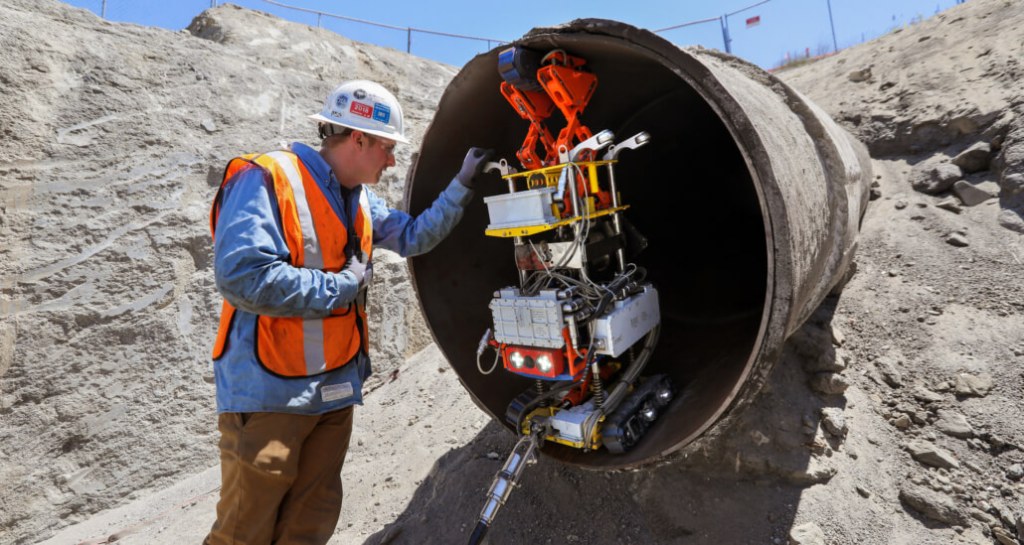
Water infrastructure assessments are rapidly becoming one of the most critical practices in modern water management. As ageing networks, climate variability and population growth place increasing pressure on water systems, utilities and asset owners can no longer rely on reactive maintenance. Instead, proactive, data-driven water infrastructure assessments are essential to protect supply reliability, reduce losses and optimise long-term performance.
This guide delivers a comprehensive, search-leading explanation of water infrastructure assessments.
What Are Water Infrastructure Assessments?
Water infrastructure assessments are systematic evaluations of water assets to determine their condition, performance, risk profile and future serviceability. These assessments examine the physical, hydraulic and operational aspects of water systems, including:
- Distribution pipelines
- Pump stations
- Storage reservoirs
- Treatment facilities
- Valves, meters and control assets
The objective is to understand how well assets are performing today, identify vulnerabilities, and prioritise interventions that improve efficiency, reliability and resilience.
Unlike basic inspections, water infrastructure assessments integrate engineering analysis, field data, operational insights and predictive modelling to inform strategic decision-making.
Organisations seeking to strengthen their water systems can explore detailed guidance through this site, which outlines proven approaches to water infrastructure assessments.
Why Water Infrastructure Assessments Are Now Essential
Water infrastructure across many regions was designed decades ago for smaller populations and different climate conditions. Without structured assessments, asset owners face escalating risks that directly affect service delivery and cost control.
Key Drivers Behind the Growing Demand
Ageing assets
Many water networks are operating beyond their original design life, increasing the likelihood of failures and service disruptions.
Non-revenue water and leakage
Undetected leaks and inefficiencies result in significant water loss, higher energy use and unnecessary operational expense.
Regulatory pressure
Governments and regulators increasingly require evidence-based asset management and risk mitigation strategies.
Climate stress
Droughts, floods and temperature extremes place additional strain on water infrastructure, accelerating deterioration.
Water infrastructure assessments provide the clarity required to respond effectively to these challenges.
Core Components of Effective Water Infrastructure Assessments
High-quality water infrastructure assessments follow a structured, multi-layered approach. Each component contributes to a complete understanding of system health and future performance.
Asset Condition Evaluation
This involves assessing the physical condition of assets using inspection data, historical maintenance records and failure trends. Techniques may include visual inspections, acoustic testing, pressure monitoring and material analysis.
Hydraulic Performance Analysis
Hydraulic modelling is used to evaluate flow, pressure, capacity and system behaviour under varying demand scenarios. This identifies bottlenecks, underperforming zones and areas exposed to pressure-related failures.
Risk and Criticality Assessment
Assets are ranked based on the likelihood and consequence of failure. Critical assets that pose high service, safety or environmental risk are prioritised for intervention.
Operational Efficiency Review
Operational data is analysed to identify inefficiencies such as excessive pumping costs, pressure imbalances or suboptimal control strategies.
Future Demand and Growth Modelling
Population growth, land-use changes and climate projections are factored into long-term planning to ensure infrastructure remains fit for purpose.
The Role of Data and Technology in Water Infrastructure Assessments
Modern water infrastructure assessments are increasingly powered by advanced data analytics and digital tools. These technologies transform raw data into actionable insights.
Smart Monitoring and Sensors
Pressure loggers, flow meters and acoustic sensors provide real-time visibility into network behaviour, enabling early detection of leaks and anomalies.
Predictive Analytics
Historical data combined with machine learning models can forecast asset deterioration and failure probability, supporting proactive maintenance.
Geographic Information Systems (GIS)
GIS platforms visualise asset location, condition and risk, helping stakeholders understand spatial relationships across the network.
Digital Twins
Some assessments now incorporate digital twin models that simulate network behaviour under various operational and environmental conditions.
When integrated effectively, these tools significantly enhance the accuracy and value of water infrastructure assessments.
How Water Infrastructure Assessments Reduce Water Loss
One of the most tangible benefits of water infrastructure assessments is their impact on water loss management.
By identifying high-risk zones, pressure anomalies and leakage patterns, assessments enable targeted interventions that deliver measurable reductions in non-revenue water.
Key outcomes include:
- Faster leak detection and repair
- Optimised pressure management
- Reduced burst frequency
- Lower operational and energy costs
This aligns directly with sustainable water management objectives and improves overall network performance.
Water Infrastructure Assessments and Network Optimisation
Beyond risk reduction, water infrastructure assessments play a central role in network optimisation.
Optimisation focuses on ensuring that water systems deliver required service levels using the least amount of energy, resources and capital investment. Assessments support this by identifying opportunities to:
- Rebalance pressure zones
- Improve pump scheduling
- Upgrade control systems
- Rationalise asset replacement programs
When optimisation is guided by robust assessment data, utilities can achieve long-term efficiency gains without unnecessary capital expenditure.
Strategic Planning and Investment Decisions
Capital planning without accurate asset intelligence often leads to over- or under-investment. Water infrastructure assessments provide the evidence base required to justify funding decisions and prioritise projects.
Decision-makers gain confidence by understanding:
- Which assets require immediate attention
- Which can be safely deferred
- Where investment delivers the greatest return
This strategic clarity is particularly valuable for organisations managing large, complex water networks with constrained budgets.
Regulatory and Governance Benefits
Many regulators now expect water utilities to demonstrate proactive asset management and risk mitigation. Water infrastructure assessments support compliance by providing documented, defensible insights into asset condition and performance.
They also strengthen governance by improving transparency, accountability and reporting accuracy across water operations.
Industry Expertise and Practical Application
While technology plays a crucial role, the effectiveness of water infrastructure assessments ultimately depends on expertise. Interpreting data, validating models and translating findings into practical actions requires experienced professionals who understand both engineering principles and operational realities.
This is where specialist providers add significant value.
How Aqua Analytics Supports Water Infrastructure Assessments
Aqua Analytics delivers advanced water infrastructure assessments that combine data analytics, engineering expertise and practical network knowledge.
Their services focus on:
- Water management services tailored to utility needs
- Water loss management through targeted assessment and analysis
- Network optimisation to improve efficiency and resilience
By working closely with asset owners, Aqua Analytics helps transform assessment insights into tangible performance improvements.
Common Challenges in Water Infrastructure Assessments
Despite their benefits, water infrastructure assessments can face challenges if not approached correctly.
Data Quality Issues
Incomplete or inaccurate data can compromise assessment outcomes. Addressing data gaps early is critical.
Siloed Systems
Disconnected data sources reduce visibility and limit insight. Integrated platforms deliver better results.
Short-Term Thinking
Focusing only on immediate issues undermines long-term resilience. Assessments must balance short- and long-term priorities.
Resource Constraints
Limited budgets and expertise can delay assessments, increasing long-term risk and cost.
Recognising these challenges helps organisations plan assessments more effectively.
Best Practice Framework for Water Infrastructure Assessments
To maximise value, leading organisations follow a structured framework:
- Define clear objectives aligned with operational and strategic goals
- Collect and validate high-quality data
- Apply robust analytical and modelling techniques
- Prioritise risks and opportunities based on evidence
- Translate insights into actionable improvement plans
- Monitor outcomes and refine strategies over time
This cyclical approach ensures assessments remain relevant and deliver ongoing benefits.
The Future of Water Infrastructure Assessments
As digital transformation accelerates, water infrastructure assessments will continue to evolve.
Emerging trends include:
- Greater use of artificial intelligence for predictive maintenance
- Expanded deployment of smart sensors across networks
- Increased integration of climate risk modelling
- Real-time performance dashboards for decision-makers
These advancements will further enhance the precision, speed and impact of assessments, enabling utilities to manage water systems with unprecedented confidence.
Final Thoughts
Water infrastructure assessments are no longer optional. They are a foundational element of sustainable, resilient and cost-effective water management.
By delivering deep insight into asset condition, performance and risk, water infrastructure assessments empower organisations to reduce losses, optimise networks and make smarter investment decisions.
With expert support and advanced analytics, providers such as Aqua Analytics enable water utilities and asset owners to move beyond reactive maintenance and toward truly intelligent water management.
For organisations seeking to future-proof their water systems, investing in comprehensive water infrastructure assessments is not just prudent—it is essential.
 Water Pipe Management
Leave a comment