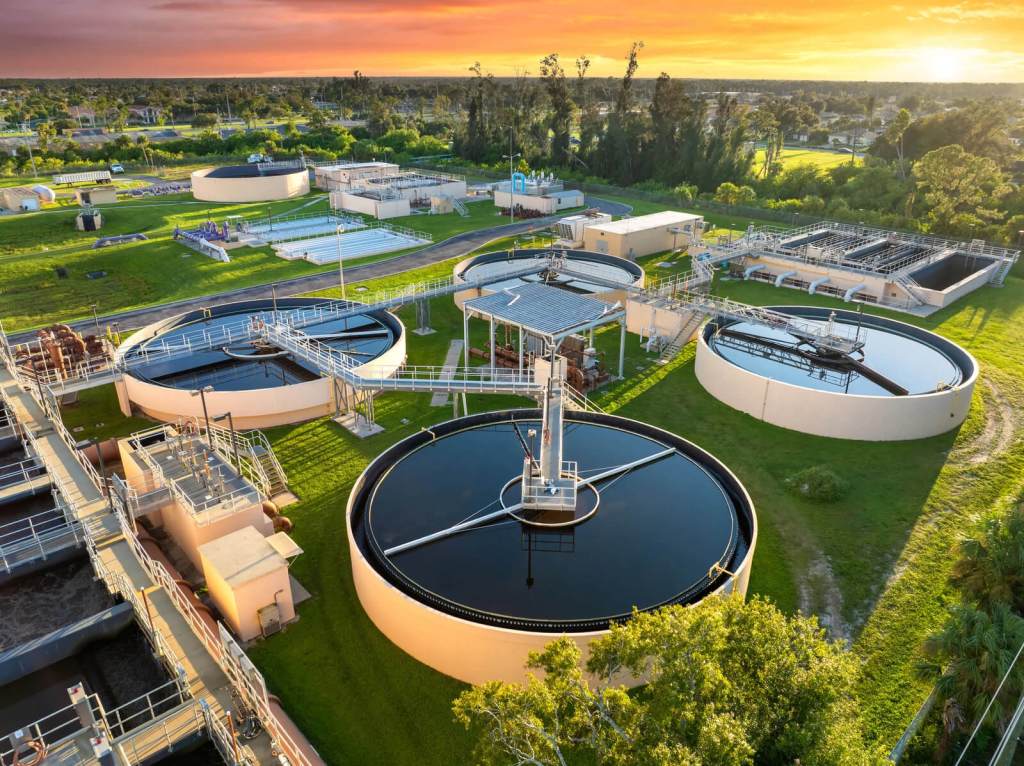
Efficient water distribution is one of the biggest challenges faced by utilities and cities worldwide. With increasing urbanisation, ageing infrastructure, and mounting pressure to reduce non-revenue water (NRW), utilities are turning to smarter, data-driven solutions.
One of the most powerful innovations in modern water management is the virtual DMA — a digital transformation of traditional district metered areas that allows utilities to monitor, analyse, and optimise network performance in real time.
For organisations looking to improve efficiency and reduce water loss, Aqua Analytics offers advanced solutions through its expertise in virtual DMAs, water loss management, and network optimisation. Their services help utilities transition from reactive monitoring to proactive management — improving both sustainability and profitability.
What Is a Virtual DMA?
DMA stands for District Metered Area — a concept used by water utilities to divide a large distribution network into smaller, manageable zones. Each DMA typically includes boundary meters, pressure sensors, and flow monitors that help detect leaks, analyse consumption patterns, and manage pressure levels.
A virtual DMA takes this concept to the next level. Rather than relying solely on physical isolation and manual data collection, virtual DMAs use digital modelling, real-time analytics, and smart sensor data to replicate the function of physical DMAs in a virtual environment.
This means utilities can monitor flow, pressure, and consumption data across large interconnected zones — without needing extensive physical infrastructure changes.
How Virtual DMAs Work
Virtual DMAs combine IoT sensors, SCADA data, hydraulic modelling, and analytics platforms to create a live digital representation of the water network.
Here’s a step-by-step breakdown of how the system operates:
- Data Collection: Smart meters, pressure loggers, and flow sensors collect high-frequency data from key network points.
- Integration: The data is transmitted to a central system via IoT connectivity or telemetry.
- Modelling: Advanced algorithms and hydraulic models simulate water movement through the network, identifying discrepancies between expected and actual flow.
- Analysis: Machine learning and statistical tools detect anomalies, such as leaks, bursts, or unaccounted-for consumption.
- Visualisation: Dashboards display real-time data, enabling operators to take immediate corrective action.
The result is a dynamic, continuously updated view of network performance — enabling smarter decisions and faster responses.
Benefits of Implementing Virtual DMAs
Virtual DMAs offer significant operational, financial, and environmental advantages. Here are the key benefits utilities can expect:
1. Reduced Water Loss
By detecting leaks and anomalies faster, utilities can drastically reduce non-revenue water. Continuous monitoring enables proactive maintenance rather than waiting for visible bursts or customer complaints.
2. Lower Operational Costs
Physical DMAs require boundary valves, meters, and isolation zones that can be expensive to install and maintain. Virtual DMAs reduce these costs by creating digital zones using existing data and minimal infrastructure upgrades.
3. Improved Network Visibility
Operators gain full transparency into flow, pressure, and demand patterns across the network. This holistic view supports better planning, reduces downtime, and enhances service reliability.
4. Faster Leak Detection and Response
Real-time data analysis enables utilities to identify leaks within hours rather than weeks. This reduces water waste and prevents small leaks from becoming costly bursts.
5. Scalability and Flexibility
Unlike physical DMAs, virtual DMAs are easily scalable. Utilities can expand monitoring coverage without re-engineering network boundaries.
6. Enhanced Sustainability
Reducing water loss and energy use directly supports sustainability goals. Virtual DMAs help utilities meet water conservation targets and improve overall environmental performance.
For more insights into the environmental benefits of smart infrastructure, visit the Smart Water Networks Forum (SWAN) at swan-forum.com.
Aqua Analytics: Leaders in Water Network Optimisation
Aqua Analytics is an Australian-based water management company known for its expertise in water loss management, data analytics, and smart infrastructure.
With years of experience working with utilities across Australia and New Zealand, the team specialises in helping organisations unlock the full potential of digital technologies like virtual DMAs.
Their core services include:
- Water loss management – Identifying and reducing NRW using advanced leak detection and data-driven strategies.
- Network optimisation – Improving operational efficiency and performance across water systems.
- Pressure management and control – Reducing bursts and extending asset lifespan.
- Hydraulic modelling and data integration – Using predictive models to improve decision-making.
By adopting Aqua Analytics’ approach, utilities can enhance system performance, minimise costs, and achieve measurable reductions in water loss.
Virtual DMAs vs. Traditional DMAs
While both approaches share the same goal — to improve visibility and control — they differ significantly in setup, flexibility, and long-term impact.
| Aspect | Traditional DMA | Virtual DMA |
| Structure | Physical boundaries and meters | Digital boundaries using data modelling |
| Cost | High installation and maintenance | Lower cost, minimal infrastructure |
| Scalability | Limited by physical network | Easily scalable across systems |
| Monitoring | Manual or periodic data collection | Continuous, real-time analytics |
| Leak Detection Speed | Weeks or months | Hours or days |
| Operational Flexibility | Fixed | Adaptive and dynamic |
Virtual DMAs represent the next evolutionary step — blending data intelligence with infrastructure management to create smarter, more efficient utilities.
Applications of Virtual DMAs
Virtual DMAs can be applied across various operational goals and environments. Some common use cases include:
1. Leak and Burst Detection
Real-time monitoring helps utilities pinpoint leaks early, minimising water loss and repair costs.
2. Pressure Management
By analysing pressure patterns, operators can identify and mitigate stress zones in the network, extending asset life.
3. Demand Forecasting
Machine learning models built into virtual DMA systems predict consumption trends, helping utilities plan supply efficiently.
4. Asset Management
Integrating asset data helps utilities prioritise maintenance based on performance, condition, and risk.
5. Energy Optimisation
Reducing unnecessary pumping and managing pressure can lead to significant energy savings, lowering both costs and carbon footprint.
Challenges and Considerations
While virtual DMAs offer clear advantages, their implementation requires careful planning.
1. Data Quality and Integration
Accurate, high-frequency data is critical for reliable analysis. Utilities must ensure sensor accuracy, network connectivity, and proper calibration.
2. Cybersecurity
As digital systems expand, protecting network data from cyber threats becomes essential. Utilities should implement robust security and encryption protocols.
3. Change Management
Transitioning from traditional monitoring to digital operations requires cultural and organisational adaptation. Staff training and stakeholder engagement are key to success.
4. Investment in Analytics Tools
While virtual DMAs reduce hardware costs, investment in analytics platforms and expertise is necessary for full functionality.
Aqua Analytics assists clients through each of these steps, ensuring seamless integration and measurable results.
Future of Water Network Management
The future of water management lies in digitalisation, data intelligence, and sustainability. Virtual DMAs are part of a broader movement towards smart water networks, where every valve, meter, and sensor contributes to a connected ecosystem.
Emerging trends include:
- Integration with AI-driven predictive models to forecast demand and detect leaks before they occur.
- Use of cloud-based dashboards for remote management.
- Expansion of digital twins to simulate network performance in real time.
These innovations are setting new benchmarks for water efficiency and resilience across cities and utilities.
Final Thoughts
The virtual DMA is revolutionising the way utilities manage, monitor, and optimise their water networks. It provides actionable insights, reduces non-revenue water, and supports a more sustainable future.
With experts like Aqua Analytics, implementing virtual DMAs is not only achievable but also cost-effective. Their proven experience in water management services, water loss control, and network optimisation makes them the ideal partner for utilities aiming to modernise their operations.
To learn more about how virtual DMAs can enhance the performance of your water system, visit Aqua Analytics’ resource page on virtual DMAs and discover how smart monitoring can transform your network today.
 Water Pipe Management
Leave a comment