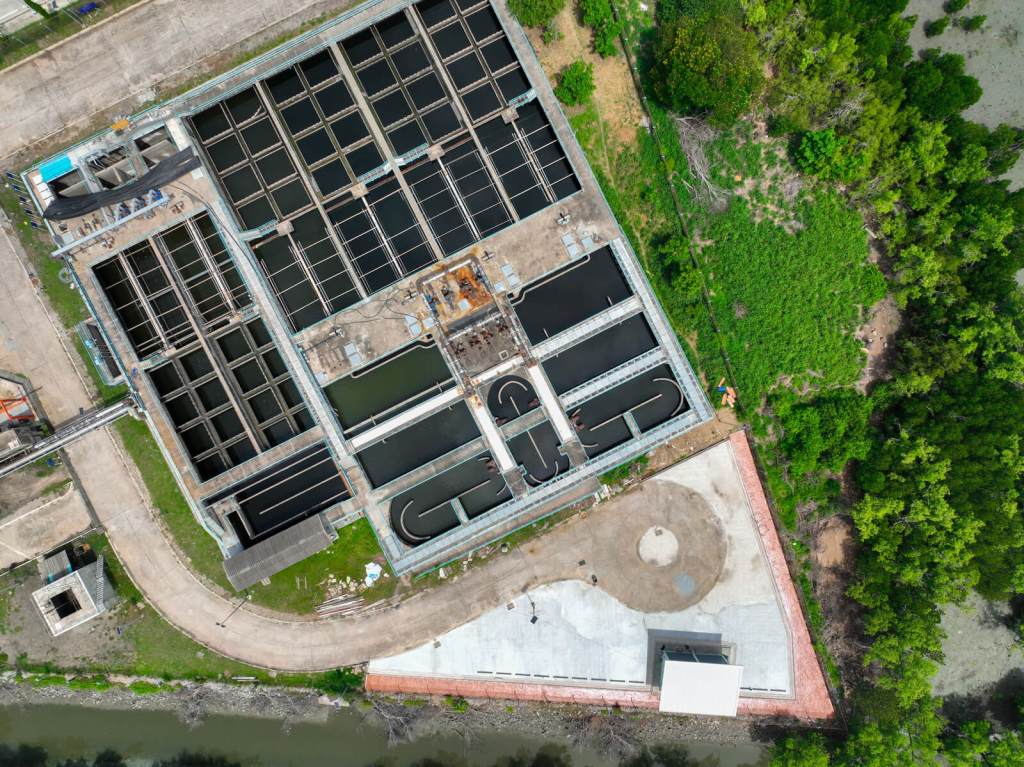
In many regions worldwide and across Australia, a growing concern is creeping into municipal planning, environmental management, and public health: ageing water infrastructure. Pipes laid decades ago, treatment plants nearing the end of their service life, and systems built for past demand are now being stressed by climate change, urban growth, and evolving standards of water quality.
For communities, utility operators, and governments, the effects of ageing water infrastructure are not abstract — they manifest as leaks, supply disruptions, contamination risks, high maintenance costs, and reduced resilience. In this context, organisations like Aqua Analytics, which specialise in water loss management and network optimisation, play a vital role in diagnosing, managing, and mitigating these risks.
In this blog, we’ll examine what ageing water infrastructure really means, why it matters, what the current challenges are, and how data-driven solutions can extend the life and performance of our water networks.
What Is Ageing Water Infrastructure?
It refers to water supply and wastewater systems whose components—such as pipes, valves, pumps, treatment plants, reservoirs, and control systems—are approaching or exceeding their design life, often without sufficient upgrades or replacement.
Typically, many systems were built 40 to 70 years ago, under design assumptions that no longer match contemporary conditions. As they age, these systems suffer increased wear, material degradation, corrosion, joint failures, shifting soils, and damage from external forces.
Some of the hallmarks of ageing infrastructure include:
- Frequent pipe bursts, cracks, and leaks
- Decreased hydraulic performance (low pressure, uneven flow)
- Infiltration and exfiltration in wastewater pipes
- Declining water quality (taste, turbidity, contaminant intrusion)
- Increased maintenance and repair costs
- Difficulty in meeting regulatory standards
In Australia, many water, wastewater, and stormwater assets built before the 1970s are reaching or exceeding expected service lifespans — part of what some refer to as the “infrastructure cliff.”
A detailed perspective on how ageing water systems interact with urban development goals is provided by Global Water Forum, noting that old pipes, outdated treatment plants, and inefficient designs often clash with the demands of growing urban populations.
Why Ageing Water Infrastructure Matters
The consequences of neglecting ageing water systems are far-reaching: operational, environmental, social, and economic.
1. High Water Loss & Non-Revenue Water
One of the most direct consequences is water loss through leaks and pipe failures. Globally, utilities report a significant share of treated water never reaching customers — known as non-revenue water (NRW).
In Australia, ageing infrastructure is contributing to inefficiencies and leak-induced water losses. Some studies and reports estimate that up to 10 % of water in distribution networks is lost due to leaks and inefficiencies.
2. Increased Maintenance and Operating Costs
As components degrade, utilities must increase inspections, repairs, emergency responses, replacement works, and operational monitoring. The cost burden often grows faster than the utility’s revenue or consumer willingness to pay.
3. Service Disruptions & Reliability Issues
Pipe failures or pump breakdowns lead to outages, pressure loss, interruptions in supply, and customer dissatisfaction. In critical supply zones, this becomes a major risk.
4. Water Quality and Public Health Risks
Leaks and pipe breaches allow sediment, pathogens, or contaminants to enter the network, especially if pressure drops or backflow events occur. A review of global water distribution failures highlights the jeopardy this presents.
5. Regulatory and Compliance Challenges
Aging treatment plants may struggle to meet evolving regulatory standards for contaminant removal, disinfection, or effluent quality. Non-compliance risks fines, reputational harm, and increased scrutiny.
6. Reduced Resilience to Climate Change & Growth
Old systems often lack capacity, flexibility, or adaptability to climate stressors — intense rainfall, drought, or shifting demand patterns. As reported in studies of urban water infrastructure under climate stress, ageing assets amplify vulnerability.
7. Deferred Investment & Infrastructure Debt
Many water utilities defer capital investment, creating a backlog of deferred maintenance that compounds risks over time — the so-called “infrastructure debt” cycle.
Because water infrastructure is hidden, often buried beneath cities, deterioration is gradual and “silent” until failures manifest. This deceptive nature makes proactive management essential.
Current Challenges Facing Water Infrastructure Renewal
Renewing ageing water infrastructure is complex. Several interlocking challenges hamper progress:
Funding Constraints
Large-scale replacement and upgrading require substantial capital. Many utilities struggle to find sustainable funding models without placing undue burden on consumers. In North America, reports show financing is a top barrier to infrastructure renewal.
Disruption and Access
Replacing buried pipes often means digging, traffic disruption, restoring surfaces, and coordinating with other infrastructure (roads, gas, telecommunications). In urban settings, this becomes very costly.
Asset Management and Data Gaps
Many utility systems lack detailed, up-to-date data on asset condition, failure history, or operational performance. Without robust data, prioritisation and planning are guesswork.
Technological Obsolescence
Older infrastructure may use now-obsolete materials or design methods that are incompatible with modern repair or monitoring tech.
Multiple Stakeholder Coordination
Water networks cross multiple jurisdictions, property boundaries, and agencies. Coordinating works, approvals, and funding across levels is challenging.
Aging Workforce & Knowledge Loss
As staff familiar with older systems retire, institutional knowledge can be lost, complicating maintenance and repair of legacy parts.
Climate Change and Extreme Events
Increasing frequency of floods, droughts, and temperature shifts exerts additional stress — aging systems were not engineered for such extremes.
Regulatory Pressure & Public Expectations
Communities expect uninterrupted, high-quality service. Regulators demand compliance, transparency, and accountability — all harder when the infrastructure is old.
Strategies & Best Practices for Managing Ageing Infrastructure
While replacing every component at once is often impractical, strategic methods can extend life, reduce risk, and optimise investment:
1. Condition Assessment & Risk Prioritisation
Use inspections, smart sensors, acoustic monitoring, pressure transients, and leak detection to assess pipe conditions. Prioritise sections by risk, criticality, and replacement urgency.
2. Proactive Maintenance & Rehabilitation
Rather than waiting for failures, implement relining, patching, cathodic protection, and restoration techniques. These options often cost less than full replacement.
3. Smart Monitoring & Real-Time Analytics
Deploy sensors and IoT devices in critical zones to track pressure, flow anomalies, leak detection, and pipe health. Real-time data enables quicker response and predictive maintenance.
4. Network Optimisation & Hydraulic Modelling
Refine network operation — balancing pressure zones, controlling flows, optimising pump schedules — to reduce stress on aging components.
5. Phased Replacement Roadmap
Develop a multi-decade renewal plan, allocating budgets and scheduling replacements in increments to spread cost and disruption.
6. Adopt Advanced Materials & Designs
Use corrosion-resistant materials (epoxy-lined steel, HDPE, composite pipes) and modular construction that facilitate ease of repair later.
7. Asset Management Systems & Digital Twins
Implement software platforms that maintain integrated records, performance histories, and predictive modeling. Digital twins of water networks can simulate stress, failures, and interventions.
8. Community Engagement & Communication
Educate stakeholders on infrastructure challenges, costs, and service trade-offs. Transparent communication can ease acceptance of disruptions or tariff adjustments.
9. Innovative Funding & Partnerships
Leverage grants, public-private partnerships, infrastructure bonds, and user-based tariffs to finance renewal.
10. Continuous Training & Knowledge Capture
Document legacy knowledge, ensure cross-training, and involve retiring experts to mentor new teams.
These strategies are being adopted globally, and many yield substantial extension of service life with reduced capital burden.
Role of Data Analytics in Addressing Ageing Infrastructure
This is where Aqua Analytics becomes critical. Their expertise in water loss management, network optimisation, and system modelling helps utilities extract actionable insights from data, enabling smarter investment.
Key Contributions of Data Analytics
1. Leak Detection & Non-Revenue Water Reduction
By analysing flow, pressure, usage, and anomaly patterns, data analytics can identify hidden leaks, isolate loss zones, and prioritise repairs.
2. Predictive Failure Modeling
Using historical failure data, material types, soil conditions, and pressure cycles, algorithms can forecast likely failure locations.
3. Network Optimisation
Analytics can suggest pressure zone reconfiguration, pump scheduling, and dynamic control that reduces stress and extends asset life.
4. Scenario Planning & Capital Budgeting
Modelling allows utilities to simulate “what if” scenarios, compare investment options, and optimise renewal planning.
5. Performance Monitoring & Benchmarking
Dashboards and key performance indicators (KPIs) track system health, intervention success, and trends over time.
6. Customer Impact Prediction
Analytics can forecast which areas will experience service issues, enabling pre-emptive communication and mitigations.
By leveraging analytics, utilities can delay costly replacements, reduce unplanned outages, and better justify funding decisions.
Aqua Analytics offers tools and consulting in water loss management and network optimisation to help utilities navigate these challenges. Explore more on their resource page about ageing water infrastructure.
Policy, Regulation & Reform Imperatives
Addressing ageing infrastructure cannot be left purely to utilities — policy, regulatory, and planning frameworks must evolve.
- A recent call by the Australian Water Association calls for safer and standardised access to ageing utilities to reduce risks and cost.
- Australia’s urban water reforms must prioritise renewal and resilience, combining funding, governance, and accountability. Infrastructure audits emphasise that ageing infrastructure must be a key reform focus.
- The transition to “water-sensitive cities” — integrating green infrastructure, stormwater harvesting, and decentralised systems — complements renewal of ageing assets.
- Incentives, grants, and regulatory levers are essential to support utilities constrained by tight budgets.
In short, infrastructure renewal must be part of a broader water reform agenda incorporating sustainability, climate adaptation, and community resilience.
The Road Ahead: Strategies for Communities & Utilities
To meet the challenge of ageing water infrastructure, here are actionable directions:
1. Adopt a Long-Term Masterplan
Utilities should develop 20–50 year renewal roadmaps with staged implementation.
2. Leverage Data & Analytics as Core Tools
Prioritisation, early detection, and investment efficiency depend on analytics.
3. Prioritise Critical Zones
Focus first on high-risk, high-impact areas (e.g. trunk mains, pressure zones, critical customers).
4. Blend Rehabilitation and Replacement
Mix relining, repair, and selective replacement where appropriate.
5. Invest in Resilience & Redundancy
Build redundancy, bypass options, and flexibility to handle extremes.
6. Align Policy, Regulation & Funding
Secure sustainable financing, regulatory incentives, and accountability frameworks.
7. Engage Public & Stakeholders
Transparent communication builds trust and acceptance of necessary disruptions or tariffs.
8. Monitor & Adapt
Continuously review performance, adjust plans, and refine strategies as conditions change.
With commitment, innovation, and data-driven planning, communities can avoid the worst risks of infrastructure collapse and maintain reliable water services.
Conclusion
The deterioration of our water infrastructure is not merely an engineering problem — it’s a threat to public health, environmental sustainability, economic resilience, and social equity. But the story is not one of inevitable decline. With foresight, technology, and the right partnerships, ageing systems can be managed more intelligently, effectively, and affordably.
Aqua Analytics is well positioned to help water authorities confront these challenges — by applying analytics, loss management, and network optimisation to extend system life, reduce risk, and improve performance.
By breaking free from reactive “fix-as-fail” models and adopting proactive, data-driven strategies, utilities and governments can transform ageing water infrastructure from a liability into a resilient, adaptive asset for the future.
 Water Pipe Management
Leave a comment