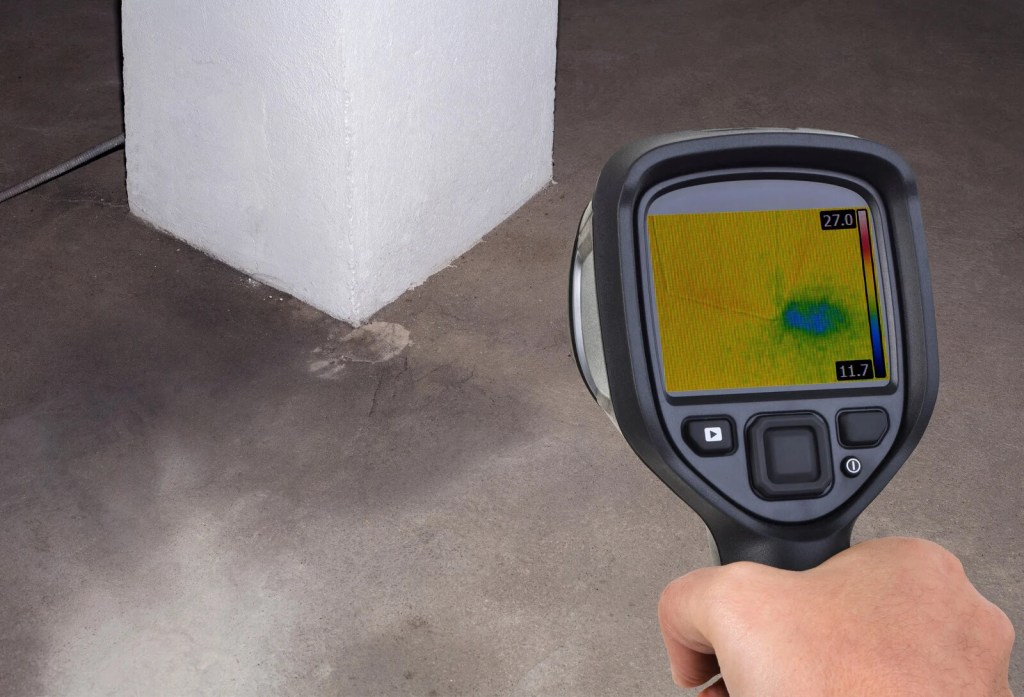
Water is one of our most valuable resources, yet millions of litres are lost every day due to undetected leaks in water networks. For councils, utilities, and large-scale facilities, even small leaks can lead to huge losses in revenue, wasted resources, and environmental damage. This is where active leak detection steps in—a proactive, technology-driven approach to finding and fixing leaks before they become costly disasters.
What is Active Leak Detection?
Active leak detection is the process of continuously monitoring and inspecting water networks to identify leaks before they become visible or cause significant damage. Unlike passive leak detection—which often relies on visible signs of water loss (like pooling water or reduced pressure)—active leak detection uses advanced technologies to detect leaks early, sometimes before they’re even noticeable.
This approach is essential for:
- Municipal water utilities managing vast underground pipe networks.
- Industrial facilities with extensive internal water systems.
- Commercial and residential developments aiming for efficiency and sustainability.
Why Active Leak Detection Matters
Water loss isn’t just about wasted liquid—it has financial, environmental, and operational impacts.
1. Reducing Non-Revenue Water (NRW)
Non-Revenue Water refers to water that’s produced but never billed due to leaks, theft, or metering inaccuracies. According to the International Water Association, some utilities lose over 25% of their water to NRW each year (IWA Report). Active leak detection is one of the most effective ways to reduce this loss.
2. Minimising Repair Costs
Small leaks are much cheaper to fix than major bursts. Detecting them early prevents costly emergency repairs and property damage.
3. Protecting the Environment
Every litre saved reduces strain on water sources and treatment plants, supporting sustainable water management.
4. Improving Network Efficiency
Well-maintained networks experience fewer service interruptions, improving customer satisfaction and public trust.
Technologies Used in Active Leak Detection
Modern active leak detection is driven by a combination of acoustic, digital, and analytical technologies.
1. Acoustic Leak Detection
Specialised sensors “listen” for the unique sound signatures of leaks. These sensors can be installed permanently along pipelines or used in mobile surveys.
2. Correlators
Acoustic correlators pinpoint the exact location of a leak by comparing noise signals between two points on a pipeline.
3. Smart Water Meters
Digital meters track water flow in real-time, helping identify unusual patterns that may indicate leaks.
4. Pressure Loggers
Sudden drops in pressure can signal a leak or burst. Pressure loggers continuously monitor these changes.
5. Satellite Leak Detection
Advanced systems use satellite imagery to detect underground leaks, even in remote areas.
6. Data Analytics & AI
Artificial intelligence analyses patterns in water usage and sensor data to predict where leaks are likely to occur next.
How Active Leak Detection Works – Step by Step
The process can vary depending on the network and technology used, but typically includes:
- Survey Planning – Mapping out target areas for inspection based on historical data, customer reports, and performance metrics.
- Deployment of Detection Technology – Installing sensors, loggers, or using portable equipment to scan the network.
- Data Collection – Gathering acoustic, pressure, and flow data for analysis.
- Data Analysis – Using software and AI to identify anomalies that indicate leaks.
- Pinpointing Leak Locations – Confirming exact locations to minimise excavation and repair time.
- Repair and Verification – Fixing the leak and confirming that the network is operating efficiently.
Benefits of Active Leak Detection for Utilities and Businesses
For Utilities and Councils
- Lower operational costs.
- Reduced NRW percentages.
- Longer asset life through proactive maintenance.
- Enhanced compliance with water efficiency targets.
For Industrial and Commercial Sites
- Lower water bills.
- Prevention of production downtime.
- Reduced risk of water damage to machinery and infrastructure.
For the Environment
- Sustainable use of water resources.
- Reduced carbon footprint from water treatment and pumping.
Active vs Passive Leak Detection – The Difference
Passive leak detection waits for visible signs like water pooling, damp patches, or pressure loss. This reactive approach means leaks are often large and expensive to fix by the time they’re found.
Active leak detection, on the other hand, uses planned, regular monitoring to find leaks before they become visible. This proactive approach saves time, money, and resources in the long run.
Why Work with Aqua Analytics?
Aqua Analytics is an industry leader in water management, water loss management, and network optimisation. Their active leak detection service combines the latest technologies with highly trained specialists to deliver accurate, reliable results.
When you work with Aqua Analytics, you get:
- Proven expertise in municipal and industrial water systems.
- Access to cutting-edge leak detection technologies.
- A customised approach tailored to your network.
- Support from detection through to repair and optimisation.
Their mission is to help clients improve the efficiency, sustainability, and cost-effectiveness of their water systems—delivering results that go beyond just finding leaks.
Case Study – The Impact of Active Leak Detection
One regional council partnered with Aqua Analytics to reduce water losses in a 200km pipeline network. Using acoustic loggers and correlators, the team identified 14 previously undetected leaks, saving an estimated 80 million litres of water annually. The council also reported a 25% reduction in operational costs linked to emergency repairs.
How to Implement an Active Leak Detection Program
- Assess Your Current Network – Identify high-loss areas and vulnerable infrastructure.
- Choose the Right Technology – Match detection tools to your network’s size, material, and conditions.
- Partner with a Specialist – Work with experts like Aqua Analytics for accurate results.
- Schedule Regular Monitoring – Make leak detection a continuous process, not a one-off event.
- Track and Report Savings – Monitor improvements in NRW and operational costs to justify ongoing investment.
Common Myths About Active Leak Detection
Myth 1: It’s too expensive.
Reality: The cost of early leak detection is far lower than repairing major bursts and dealing with water damage.
Myth 2: It’s only for big utilities.
Reality: Businesses, schools, hospitals, and even large residential complexes benefit from proactive leak detection.
Myth 3: Modern pipelines don’t leak.
Reality: Even new systems can develop leaks due to installation issues, ground movement, or equipment failure.
The Future of Active Leak Detection
With advances in IoT (Internet of Things), AI, and satellite monitoring, leak detection will become even faster and more precise. Networks will be able to detect and report leaks in real-time, leading to instant repairs and near-zero water loss.
Final Thoughts
Active leak detection is no longer a “nice-to-have”—it’s a must-have for any organisation that values efficiency, sustainability, and cost control. By detecting and fixing leaks early, you protect your infrastructure, save on operational costs, and contribute to a more sustainable future.
If you’re ready to take control of your water network, partner with Aqua Analytics for proven expertise and industry-leading technology. Their tailored active leak detection solutions will keep your system running at peak performance.
 Water Pipe Management
Leave a comment