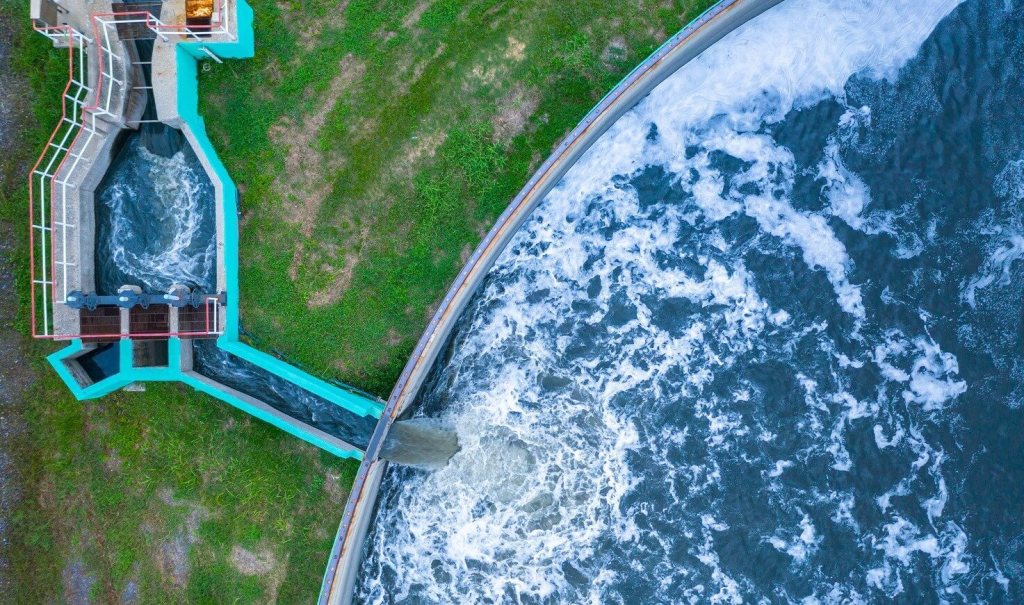
In the face of growing climate challenges, urbanisation, and increasing demand for sustainable resources, the need for intelligent water management has never been greater. Enter smart water technology implementation—a game-changing approach that leverages digital solutions to monitor, manage, and optimise water systems across municipalities, industries, and households.
This blog explores how smart water technology implementation is revolutionising the water industry, its benefits, key components, and the roadmap for successful integration.
What Is Smart Water Technology?
Smart water technology refers to the integration of advanced tools such as IoT sensors, AI-driven analytics, real-time data dashboards, and cloud computing into water management systems. This technology provides utilities and organisations with actionable insights into water usage, leak detection, quality monitoring, and infrastructure performance.
Smart water technology implementation is not just a trend—it’s a critical step toward creating more efficient, resilient, and sustainable water systems.
Why Smart Water Technology Implementation Matters
Water utilities worldwide face several persistent challenges, including:
- Aging infrastructure
- Water loss through undetected leaks
- High energy consumption
- Limited visibility of system performance
- Regulatory compliance requirements
- Increased customer demand for transparency
Smart water technology addresses these issues by enabling automated monitoring, proactive maintenance, and smarter decision-making—helping cities and businesses conserve resources and reduce operational costs.
Benefits of Smart Water Technology Implementation
1. Real-Time Leak Detection and Prevention
One of the most impactful benefits of smart water technology implementation is its ability to detect leaks in real-time. IoT-enabled sensors placed along pipelines can alert operators immediately when abnormal flow is detected, preventing water loss, property damage, and high repair costs.
2. Optimised Resource Allocation
By analysing usage patterns and pressure zones, utilities can optimise when and where water is distributed. This leads to better pressure management, reduced wastage, and improved supply reliability—especially during peak demand periods.
3. Improved Water Quality Monitoring
Smart systems continuously track water quality indicators such as pH levels, chlorine content, and temperature. This allows faster identification of contamination risks and ensures safe water delivery to end users.
4. Enhanced Energy Efficiency
Pumping and treating water require energy. Smart water management solutions help utilities monitor energy consumption in real time and identify opportunities for optimisation—reducing carbon footprints and energy costs.
5. Regulatory Compliance and Reporting
Smart water technology makes compliance reporting easier through automated data collection and real-time dashboards. This ensures organisations meet local and international standards without manual intervention.
Key Components of a Smart Water System
For a successful smart water technology implementation, the following components are crucial:
- Smart Sensors: Monitor flow, pressure, temperature, and quality throughout the system.
- Communication Networks: Use wireless or LoRaWAN networks to transmit data securely and reliably.
- Data Analytics Platforms: Translate raw data into insights using AI and machine learning.
- SCADA Systems: Enable centralised control and monitoring of water treatment and distribution processes.
- Cloud Infrastructure: Stores and processes data remotely, allowing scalable access and integration.
How to Successfully Implement Smart Water Technology
Implementing smart water systems requires a strategic and phased approach:
1. Assessment and Goal Setting
Start by evaluating your current infrastructure and defining objectives. Are you aiming to reduce water loss, improve billing accuracy, or enhance customer service?
2. Pilot Program
Run a pilot in a selected area to test technologies and fine-tune processes before full-scale deployment.
3. Choose the Right Technology Partner
Work with experienced vendors that understand both the technology and the specific challenges of your water system.
4. Integration and Training
Ensure seamless integration with existing systems and train staff to use the new tools effectively.
5. Monitoring and Optimisation
Once deployed, continually monitor system performance, gather feedback, and make iterative improvements.
Use Cases Across the Globe
Cities like Singapore, London, and Los Angeles are already leading in smart water technology implementation. For instance:
- Singapore’s PUB uses smart meters and AI to detect leaks before they cause major issues.
- Thames Water in the UK has deployed over 1 million smart meters to improve consumption accuracy.
- Los Angeles uses IoT sensors to monitor water levels in reservoirs and predict maintenance needs.
These initiatives demonstrate how cities can become more resilient and sustainable through digital water management.
Final Thoughts
The future of water lies in innovation, and smart water technology implementation is at the core of that transformation. By investing in intelligent systems today, utilities, councils, and corporations can achieve long-term savings, reduce environmental impact, and improve service delivery.
As global water challenges intensify, there’s never been a better time to embrace smart water technology. Whether you’re a municipal decision-maker or a business leader, now is the time to act—and lead your organisation into a smarter, more sustainable future.
 Water Pipe Management
Leave a comment